A poll among social media influencers has revealed why many prefer Instagram to Snapchat. Sophie Parry-Billings details the survey results and explains how marketers can leverage social influencers to further their campaigns.

A poll among social media influencers has revealed why many prefer Instagram to Snapchat. Sophie Parry-Billings details the survey results and explains how marketers can leverage social influencers to further their campaigns.
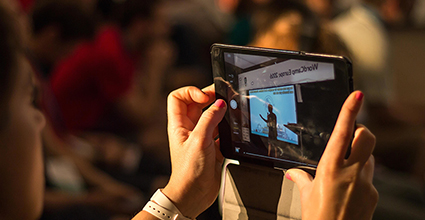
How many times have you sat behind someone at a major event whose mobile phone is aloft, masking your view, streaming the content to an absent audience? Live events – such as conferences, fashion shows and concerts – should ideally be a mix of physical and digital experiences, says Hannah Farrell – hugely aware of the value of social media for events promotion. But how would brands and events organisers balance the wider and welcome sharing of their content with a sympathetic social media switch-off for real-world events’ ticket-holders? It’s not a quandary, if applied in the right way…

Technology is only valuable if you combine knowledge of what you want it to achieve with the ability to interpret what it tells you. So says William Roberts, discussing whether CMOs aiming to bridge the Digital Divide should be optimising data and incentivising customer behaviour by aligning customer understanding with tech strategy.

Rakuten Marketing research has found that UK marketers are willing to pay large sums to social stars and ‘influencers’ – but 86% of marketers admit they aren’t entirely sure how the fees are calculated and 38% don’t know if that layout is actually driving sales. Despite this, spend on influencer marketing is on the rise. James Collins studies the stats behind this latest trend in celebrity marketing and tots up the value.

In the run-up to the busy festive season, how can savvy social marketers outshine their competitors, get their cash tills ringing heartily and therefore enjoy a very merry social media Christmas? Rafferty Gifford has some ideas and examples of social strategies that can work:
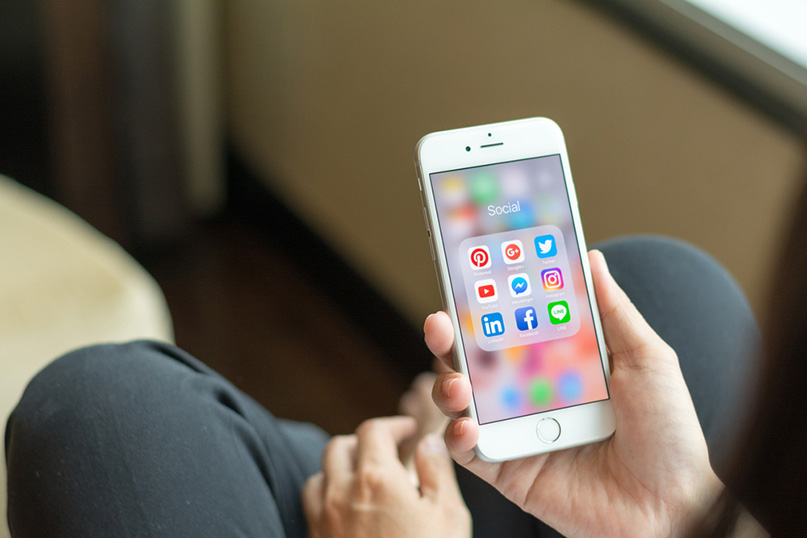
Many consumers use their smartphones to shop, so it makes sense for marketers to know where all that traffic is going and where to concentrate their mobile marketing efforts. Measure mobile traffic usage in real time, says Karthik Reddy, monitor the constantly changing statistics of companies that do business through mobile data – such as the amount of Google searches worldwide on mobile devices; the amount of WhatsApp messages sent; the amount of products purchased on mobile devices from Amazon marketplace sellers. Check out the ever-changing infographic, here:

Facebook and Google increasingly dominate the time people spend online and there are both pros and cons in this web duopoly. Verto Analytics’ Dr Hannu Verkasalo spells out the implications for data-driven marketers of having two such powerful internet giants.

Storytelling – specifically, video storytelling – is the ‘big thing’ when it comes to content marketing, says Bob Dearsley – who cuts through the noise to bring advice on when and how to add video to your content marketing strategy.

It’s a new kind of business model which can scale rapidly (Airbnb, Uber) by harnessing network effects: platform marketing . . . here’s how it works:
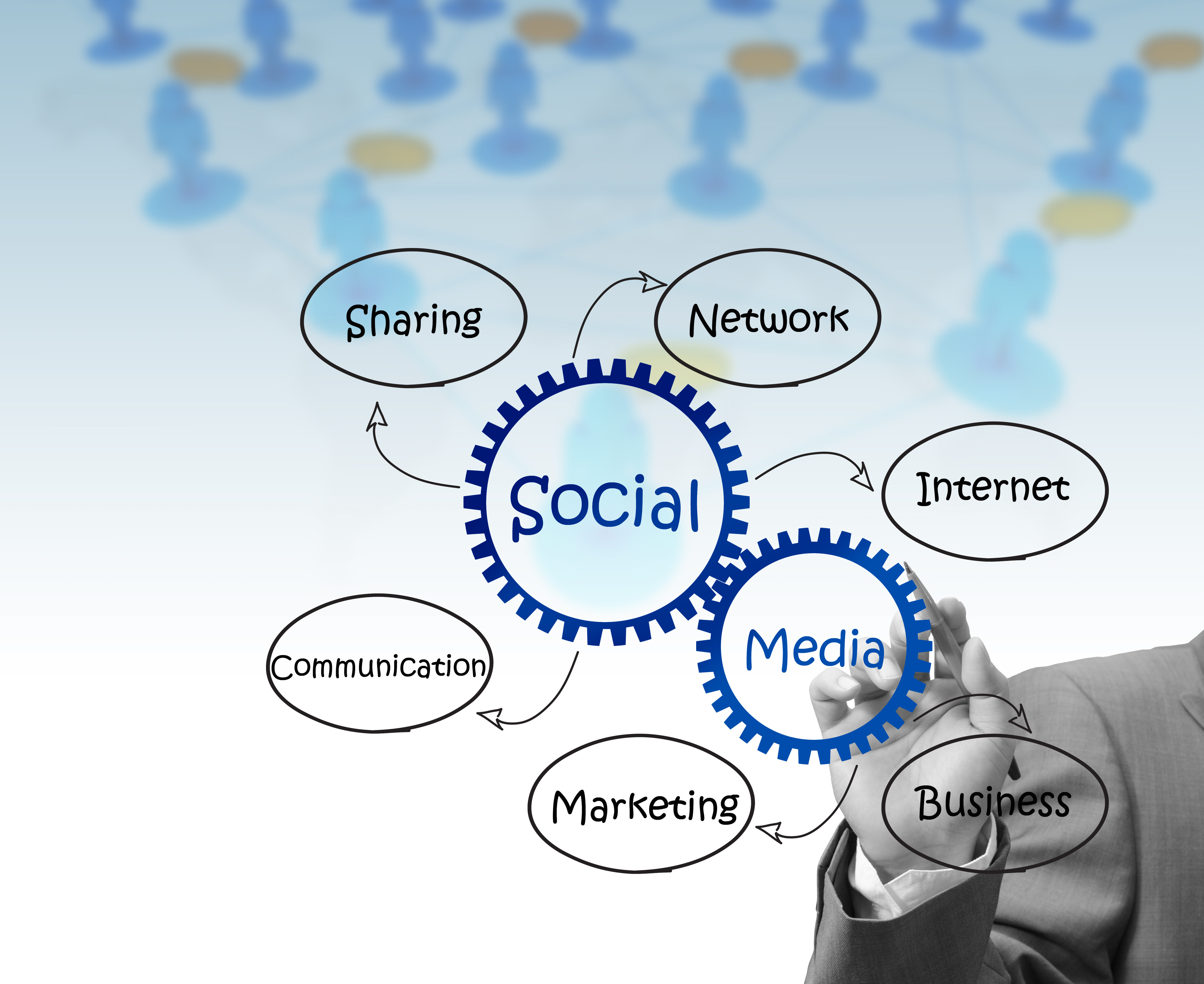
Your social media strategy should be carefully tailored, research shows, because different demographics use multiple channels in unique ways – and a brand which uses the same approach across platforms and age groups is unlikely to get good results. Here’s why certain brands should examine their data and hone a Snapchat marketing strategy to target a particular audience.