Categories
All content Content Marketing Uncategorised

Make this mistake and you’ll be dead in 75 seconds

Don’t be vague. It kills.

You probably won’t die.

But the response to your copy will.

Imagine someone tells you, “I’m going to make you rich someday”.

I bet the first thing you’ll want to know is “how rich?”

Followed by, “when?”

If you’re like most people you won’t bother asking.

Because you’ll assume their claim is a load of twaddle.

Don’t make the same mistake.

Tell people exactly what they’re getting.

Here’s an example:

In 1964 I wrote copy for a device called, the Bullworker.

Which made you “stronger, quickly”.

After a closer look at what the Bullworker did I wrote an ad with this headline:

Britain’s Heavyweight weightlifting champion 1956/7/8 guarantees
THESE 7 EXERCISES WILL BUILD
A POWER-PACKED BODY IN 49 SECONDS A DAY
Or all your money back without question.

That headline sold 30,000 Bullworkers in the first year.

The Bullworker still sells all over the world.

Go online and look.

advert copywriting

Here’s a shortened version of the ad I wrote 55 years ago.

That headline anticipates and answers the important questions.

1. “What will I get out of it?” – a power-packed body
2. “What do I have to do?” – 7 exercises for 49 seconds
3. “Says who?” – a Weightlifting champion
4. “How do I know I can trust you?” – I guarantee it or your money back…

All their questions were answered.

With facts.

Not vague, sweeping statements they couldn’t trust.

There was no reason to say “no”.

And 4 compelling reasons to say “yes”.

If this ad had been headed “do this and you’ll get fit, sometime” would you have cared enough to open it?

I doubt it.

Be precise. Be persuasive. Be believable.

Or if you’d rather we do it for you, get in touch – http://draytonbird.net/agenq/

Between us, we’ve been telling people precisely what things do for them for 82 years – so we have a pretty good idea what we’re doing.

And if we don’t get you better results you don’t pay.

So what have you got to lose? – http://draytonbird.net/agenq/

Best,

Drayton

 

– Want more insights like this? Sign-up to our fortnightly newsletter –

Categories
Uncategorised

Digital Innovation in Travel- London Technology Week


The travel and tourism sector has been fundamentally re-architected with social media, mobile and ecommerce transforming the customer experience over the past decade. Success in this new dynamic digital ecosystem demands that a chief marketing officer or travel entrepreneur must understand how the new travel customer is becoming increasingly digital in every journey stage in every travel purchase. The latest research show that approximately 50% of digital travellers get inspired by looking at pictures and comments online, and over a 70% review videos and opinions before making their final decision.

Find out how leading travel brands are creating customer first experiences that inspire and enable travellers. Explore what the future might look like as new technologies start taking hold such as VR and AR. What “experiences” will we need to create in the future to engage and delight travellers?

For our first Speaker we welcome Rakhi Rajani, Global Director Customer Experience and Design at Travelex who will be sharing her experience of the challenge of implementing digital design transformation across a complex global business in an ever changing market.

Our second speaker will be confirmed soon. Please forward this event to anyone who might be interested in joining us.

BOOK NOW FOR ONLY £10

Categories
Uncategorised

Cambridge Marketing College – Alumni Media Hub: second blog

Cambridge Marketing College lecturer Kiran Kapur (pictured) presents a new GMA blog. Kiran Kapur photo_9

Does networking scare you? Would you rather fiddle with your phone than work a room?

Francis Tipper of Spoken Word Ltd had plenty of helpful advice. She argues that networking should be seen as a marketing tool, as a way to deepen your knowledge about your clients, competitors and customers. She argues nothing beats face-to-face meeting people. She reassures that you do not have to be gregarious and extrovert to be a successful networking, because it is all about generating rapport. Her tips include actively listening to the other person and having planned out how you are going to introduce yourself. Most importantly, you have to be genuinely interested in the other person. She also suggests ending the conversation with a handshake and a ‘thank you for your time’.

Have you considered how you can measure the ROI of your content marketing strategy?

Part two of Dr David Chaffey’s interview on content marketing. He recommends segmenting your audience so splitting your analytics across types of customers – so rather than just analysing the number of people who have come to your website in a month, to analyse how they have come to your website eg from social media or adwords, email – as these are all segments and shows you what resonates with each segment and why they convert. For example SMART Insights did a campaign called ‘actionable analytics’: they then measured how many people came to their website from this particular campaign, and then how many of those converted. Dr Chaffey thinks that content personalisation will be the next big phase in digital marketing, particularly in B2B marketing. More information here.


Kiran Kapur has worked predominantly in Financial Services with expertise in customer relationship marketing and customer communications. As a consultant, she has worked as project manager for companies including Liverpool Victoria, Barclays, London Life and Cazenove. She has taught a wide variety of courses at the college in Cambridge, UK, since 1999 and is the Distance Learning & Overseas Course director, and a CIM examiner. She is the author of Assessing the Marketing Environment (2009, FT Pearson) and Marketing and the Law (2013, Kogan Page) and has undertaken research at Kings College, London, into distance education theories, including specific issues facing overseas learners and the design and delivery of distance learning courses. Kiran also presents The Marketing Review on Star Radio.

Categories
Uncategorised

Cambridge Marketing College – Alumni Media Hub: first blog

Cambridge Marketing College lecturer Kiran Kapur (pictured) presents a new GMA blog. This first post is from the UK Cambridge Marketing Review Radio Programme/Podcast. The link to the podcast can be found here. 

The Content Marketing & ExportingKiran Kapur photo_9 show – for the show’s new season, Kiran Kapur met Dr Dave Chaffey of SMART insights to discuss content in digital marketing:

Dr Chaffey (pictured below) is the author of five bestselling books on digital marketing and the CIM recognised him as one of 50 marketing ‘gurus’ worldwide who have helped shape the future of marketing. This is a two-part interview and, this week, Dr Chaffey explains that businesses are investing more in content marketing. This has lead to increased competition as more content is created, and so is competing for consumers’ attention. Dave is very clear that it costs money to create good quality content.

He recommends Social Media Examiner for in-depth tips and techniques. This divides content in Primary which is regular information, such as updating your customers. This is important and will create some social sharing but it won’t generate the viral interest. Emotional engagement comes from Nuclear content which surprises or delights people. SMART insights has created a tool for measuring your content marketing matrix, which both helps marketers but also allows SMART Insights to reach new customers.

He suggests that less is more, and that it is best to create one excellent or ‘Nuclear’ content weekly or monthly.Dave Chaffey

On next week’s show, Dave explains how to measure the impact of the content marketing.

You can find more details about Dave Chaffey and his latest thinking here. 

Susannah Poulton, culture and language advisor at UKTI East, discussed exporting. 70% of all businesses could export and the UKTI can help them to do so.

Susannah explains the importance of understanding the culture of the any international market and all marketing material, including websites, need to reflect this.

For example, making sure that your website is designed with cultural understanding – for example, Japanese websites are very ‘crowded’ whereas UK websites tend to be white and with more empty space. 70% of internet searches are not done in English, so consider your international at SEO. For more information, visit this website.

You can contact the show at: review@marketingcollege.com or: @cmcpointsofview
You can hear the show here.


Kiran Kapur has worked predominantly in Financial Services with expertise in customer relationship marketing and customer communications. As a consultant, she has worked as project manager for companies including Liverpool Victoria, Barclays, London Life and Cazenove. She has taught a wide variety of courses at the college in Cambridge, UK, since 1999 and is the Distance Learning & Overseas Course director, and a CIM examiner. She is the author of Assessing the Marketing Environment (2009, FT Pearson) and Marketing and the Law (2013, Kogan Page) and has undertaken research at Kings College, London, into distance education theories, including specific issues facing overseas learners and the design and delivery of distance learning courses. Kiran also presents The Marketing Review on Star Radio.


Categories
Uncategorised

Online shopping cart abandonment plagues major retailers

cart abandonmentCustomers who abandon their online shopping bag are going unchecked by 85 per cent of the UK’s top 75 retailers. Abandoned shopping baskets are unlikely in bricks-and-mortar stores, so why do retailers accept it online? Brendan Dykes (pictured) explains.

Recent Genesys research has identified that a massive 85% of online retailers are letting customers discard their online goods without challenge. The issue became apparent after £140 worth of goods were put in the baskets of 75 of the UK’s top retailers, then abandoned before final payment. Just 15% of surveyed retailers chased up potential customers in the crucial first 24 hours post-abandonment, with 5% of them enquiring a second time the following day.Brendan Dykes-1

Customer service in the shape of the contact centre can be key in proactively combating online shopping cart abandonment, this won’t happen with website that offer great customer service like the Product Expert website.

Missed opportunities

Retailers at this stage in the sales cycle are already in possession of a customer’s contact details, yet choose to miss the sales opportunity. From £10,830 worth of abandoned items, £9,180 of goods were not pursued at all. In other words, just £1,650 (15%) worth of potential sales were investigated post-abandonment.

This wasted revenue opportunity is avoidable. All that is required is timely intervention at the point of virtual sale or quick and diligent following-up by the contact centre after a cart has been sidelined.

Proactive engagement

Every retailer would benefit by implementing something as simple as a live web chat. However, the study found only 7% of the retailers operated a web chat service, and none of them chose to proactively use this option during the buying process. But surely it’s the ideal tool to engage with a hesitant shopper from sites like the  who is almost at the point of purchase?

Proactively using web chat enables retailers to persuade the customer to continue their purchase or simply address any questions they may have about the goods they’re buying, which can also reduce stock returns. This is more preferable than letting them discard their goods or, worse still, conceding them to a competitor.

Recent research by ContactBabel has also indicated that the number of web chats handled by contact centres has risen to 250 million, a 60% increase over the last 12 months. Using this service to offer support to online shoppers at the point of sale goes a significant way to improving the customer’s website experience, boosting customer service and sales simultaneously.

Re-marketing

If this fails, follow up by phone or email. But the Genesys research showed just 15% of retailers followed up within that crucial 24 hours after shopping cart abandonment. Following up after consumers have abandoned their online goods is clearly not deemed a priority. But understanding why a shopper has decided to disregard the items in their online basket and re-marketing to them can unearth valuable sales and marketing data to support a range of services from product marketing to website design.

These simple solutions could decrease online abandonment, and lead to higher sales and a better customer experience.

Brendan Dykes is director of strategic marketing at Genesys.


Categories
Uncategorised

ADFEST 2015

ADFEST 2015 will take place on Thursday March 19 – Saturday March 21 in Pattaya, Thailand, next year with the new theme, ‘Be Bad’.   AdFest-2015-bad

More details HERE

Categories
Uncategorised

The five most common mistakes of business networking

Are you getting the most out of your networking? Is it bringing you a steady stream of new business? If not, it’s possible you are making a number of critical mistakes when networking. William Buist (pictured) suggests there are five key mistakes that many business owners make when networking for their business.

1. Pitching to sell

Businesses spend significant amounts of time creating a sales pitch that is compelling and interesting so that a prospect will buy. The networking mistake is to use the same pitch when networking. You’re not selling to your network; you’re teaching your network how to sell for you. So don’t pitch your product, pitch your pitch.

2. Lack of clarity about your target marketwilliam-buist

Understand who benefits the most from your products and services and then learn to describe them clearly and succinctly – so others understand, too.

Seek to help your networking contact recognise potential prospects from within their contacts. The more refined you can be, the more likely they are to think of somebody specific.
Also understand who your networking contact is regularly engaged with. Then explain why what you do and why the products you have serves those people well.  Your aim is to encourage them to talk about you at the next available opportunity.

3. Why your knowledge, skills and experience matter

People often talk about having a unique selling proposition but in reality most products and services are not dramatically dissimilar or genuinely unique. Therefore it’s important to highlight why a customer should choose you over your numerous competitors.  In general, that comes from who you are and the approach you take.

Nobody else will have had your particular education, the career and experience that you’ve had in business or the skills that you’ve developed to deliver the products that you now sell. Creating a story that highlights those strengths enables your particular implementation to be remembered and retold more easily.

4. It’s not about facts
Facts about your product and service are important but in general raw facts are not remembered, stories are.

Stories with relevance that people can relate to and empathise with, stories that tell others about how their business or personal life has improved by working with you – this is what will get your contacts talking about you.

5. The market doesn’t do what you do in the way that you do it, and that’s important
It’s also important to highlight what the market does in order to position your business within the marketplace. It allows you to tell a further story that reinforces how memorable your networking will be.

For example, your target market may be different, or the subtleties of a service may differ from competitors. Those differences help people make the right choice, your target market chooses you, and so you match their needs better and get better results for them. Your aim should be to help the right people to make the right choice; you.

Conclusion
Remember, your network is not your market.

When you’re networking you’re not selling, you’re teaching; you’re teaching your network how to sell for you, you’re teaching your network what makes you stand out, and you’re teaching your network who is best-suited to your products and services. Ideally you are helping them to identify one or two people for whom a referral would be sensible. At the same time, when you network you should be seeking similar information from your network, asking them specific questions that elicits this information will encourage them to ask you the same.

You get out of your network what you put in. So, if you want others to share their knowledge and refer their contacts to you, it’s reasonable to assume that they are looking for the same kindness from you too.


William Buist is owner of Abelard Collaborative Consultancy and founder of the  xTEN Club. He is also author of two books: ‘At your fingertips’ and ‘The little book of mentoring’. 
Twitter: @Williambuist and @abelarduk


Categories
Uncategorised

How a typo can make or break your business

Kieran Hearty (pictured) explains why our reactions to things like typos can make or break a business.


How do you react when you see a typo? Are you irritated? Do you laugh? We all react differently to mistakes, errors or defects.

This difference is important to understand if you run a business, especially one whose future depends on the motivation and commitment of its people. I call it ‘typo intolerance’.

We are all different, but do we value these differences? We are more likely to judge the differences between us, and rarely in a positive way. As human beings, we constantly scan the world around us, comparing what we see, hear, feel and smell with what we like and approve of, based upon our knowledge, opinion, personality and experience. If our tendency is towards disapproval, it cannot be good for business, or relationships. Kieran Hearty HR (WEB)

Our disapproval can be corrosive and destructive. It can make or break your business because it can become toxic, eroding trust, choking creativity, sapping morale and destroying results.

How do people perform in such an environment? How do they grow and develop skills if mistakes are used as opportunities to punish rather than to learn?

If someone we don’t like makes a small mistake, how do we react compared to someone we really like? Same mistake, two different reactions. In the first instance, it confirms our belief that this person is not good enough, that they cannot be trusted – even if the mistake is rare. Whereas we forgive the other person and reflect that we can all learn from our mistakes.

Typo-intolerance works well with things, but not people. I worked at Intel Corporation for many years, witnessing the birth of the Internet, and the development of amazing technology. I was intrigued by the term ‘defect intolerance’, as applied to a remarkable focus on manufacturing consistently high quality leading edge technology. It’s a great principle for ‘things’ but doesn’t work so effectively with people.

People are our most important business asset – they shouldn’t be treated like typos. Any piece of expensive technology is only as good as its operator. How frequently do we treat our people with typo-intolerance, responding with disapproval to their every mistake? Treating people like things does not work. In fact, it is more likely to break than make your business. Instead, as business owners and managers, we should focus on building strengths and skills.

What possibilities might emerge for your business if you choose to learn from a typo, or be inspired by it? How might people feel if you stop treating them with disapproval?

The next time you see a typo or notice an error, please take a moment to ask yourself: How big a deal was it? What have I learned from it? Is there a funny side? Or does it give me an opportunity to do something amazing? Most of all, please remember that in the few moments after you notice any kind of error, you have a choice. Seek the positive, rather than dwell in the negative, because it’s your reaction that will make or break your business.” advises Kieran.


Kieran Hearty is
 an executive coach, consultant and leadership speaker with more than 30 years’ experience across international technology and financial services companies. He is author of ‘How to Eat the Elephant in the Room’. www.igiveu.co.uk Twitter: @KieranHearty


Categories
Uncategorised

More than 500million mobile users of contactless payment services by 2019, report shows

A new report from Juniper Research has found that there will be some 516 million mobile users of NFC (Near Field Communication) contactless payment services by the end of 2019, up from 101 million this year.

The report argued that Apple’s introduction of an NFC-based payment mechanism – Apple Pay – would stimulate the wider marketplace, helping to address the key challenges of contactless awareness and acceptance.

At the same time, the report – NFC Mobile Payments: Apple Pay, Host Card Emulation & SIM Based Opportunities & Forecasts 2014-2019 – observed that NFC solutions utilising HCE (Host Card Emulation) were steadily gaining traction within the banking sector. It said that several – including BBVA and Bankinter in Spain and CUA in Australia – had already launched commercial services, with pilot schemes in operation in countries such as Russia and New Zealand.

Network operator role under threat

However, the report pointed out that both these developments threatened the opportunity within NFC for MNOs (mobile network operators). With Apple Pay, the secure element is embedded on the handset and controlled by Apple; with HCE, the SE (secure element) no longer has to be physically present in the handset, again removing the requirement for MNO involvement.

Report author Dr Windsor Holden said: “We would envisage that while NFC deployments and consumer activity will be buoyed by these developments, the opportunities for network operator involvement are limited. Hence we are likely to see more operators re-evaluating their existing commitments to NFC and possibly withdrawing from the space.”

Other findings from the report include:

  • Three-quarters of smartphones worldwide will contain an NFC controller chip by the end of the decade.
  • While NFC can offer retailers a strong value proposition in terms of customer retention and loyalty opportunities in addition to payment, most retailers remain unclear as to its tangible benefits.
Categories
Uncategorised

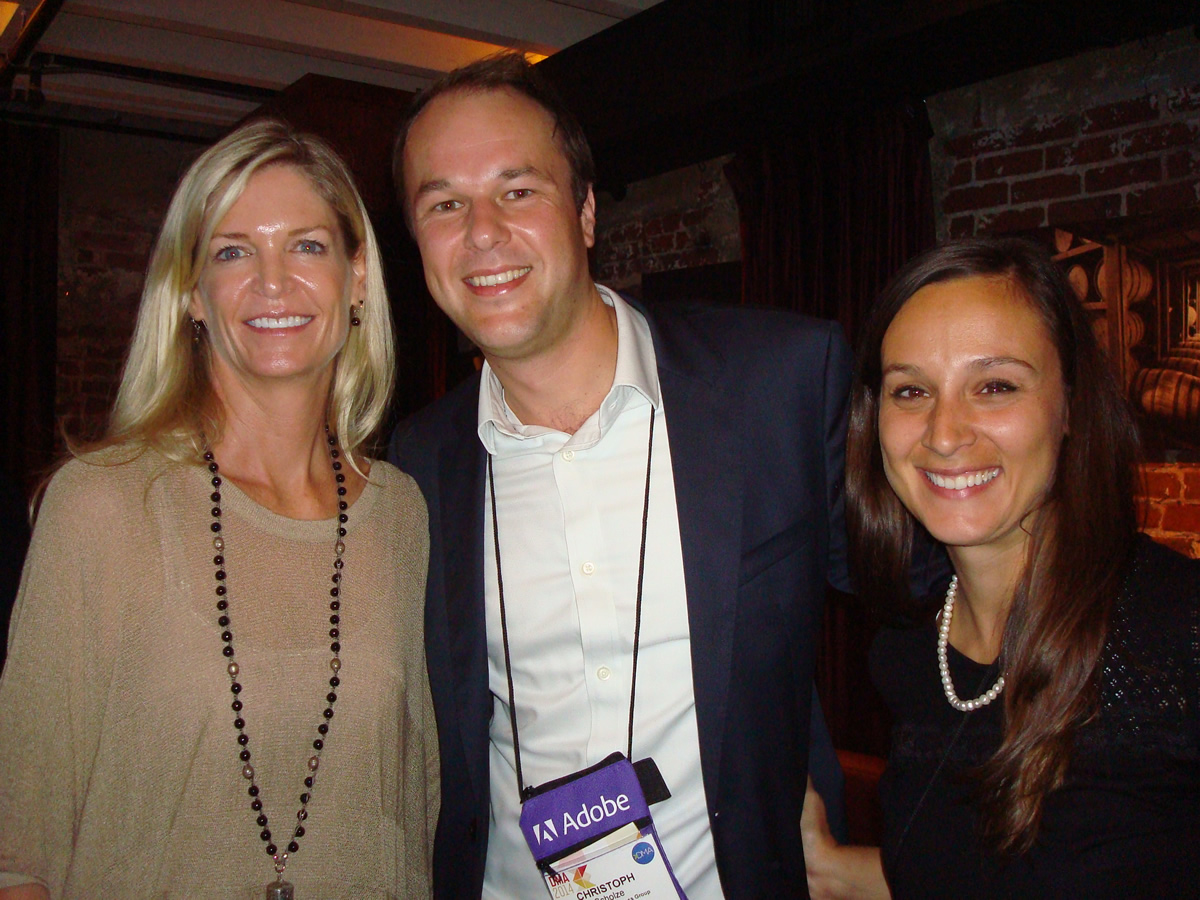
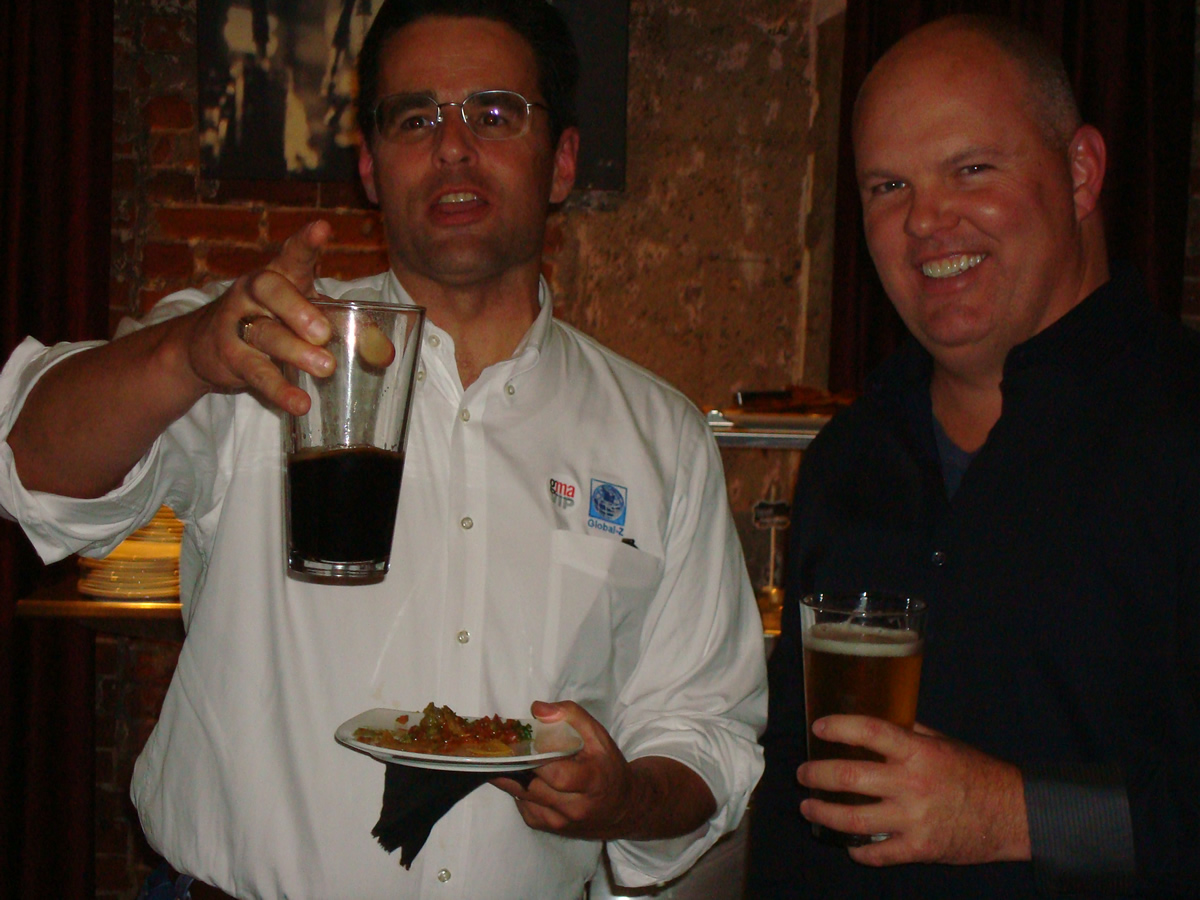
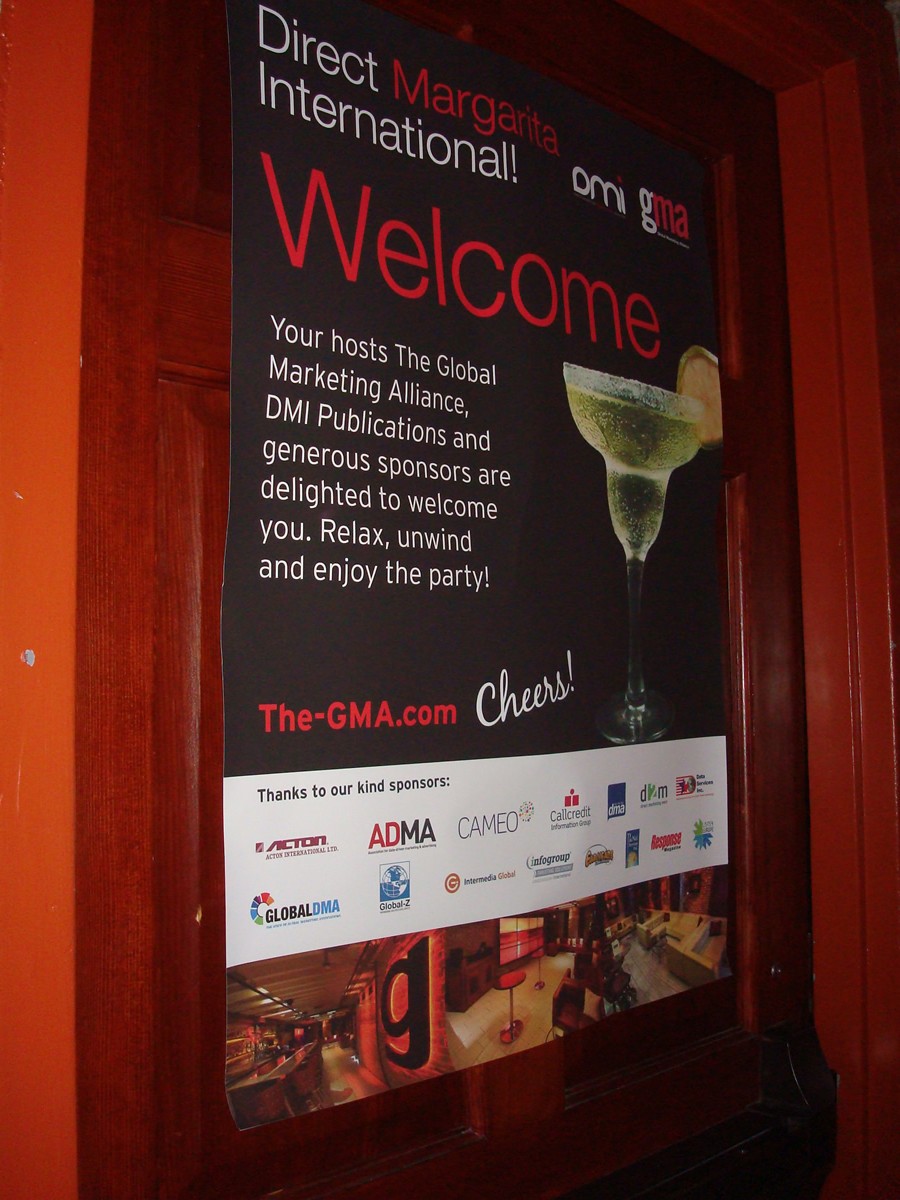
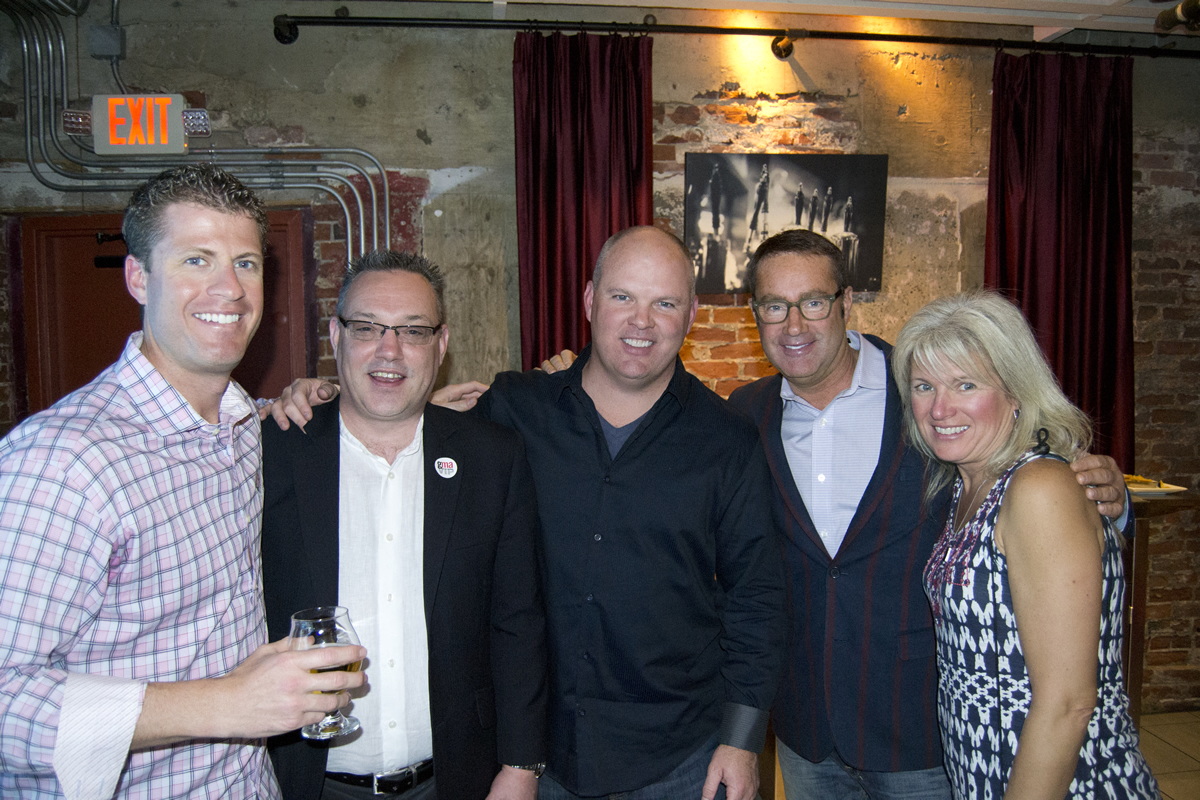
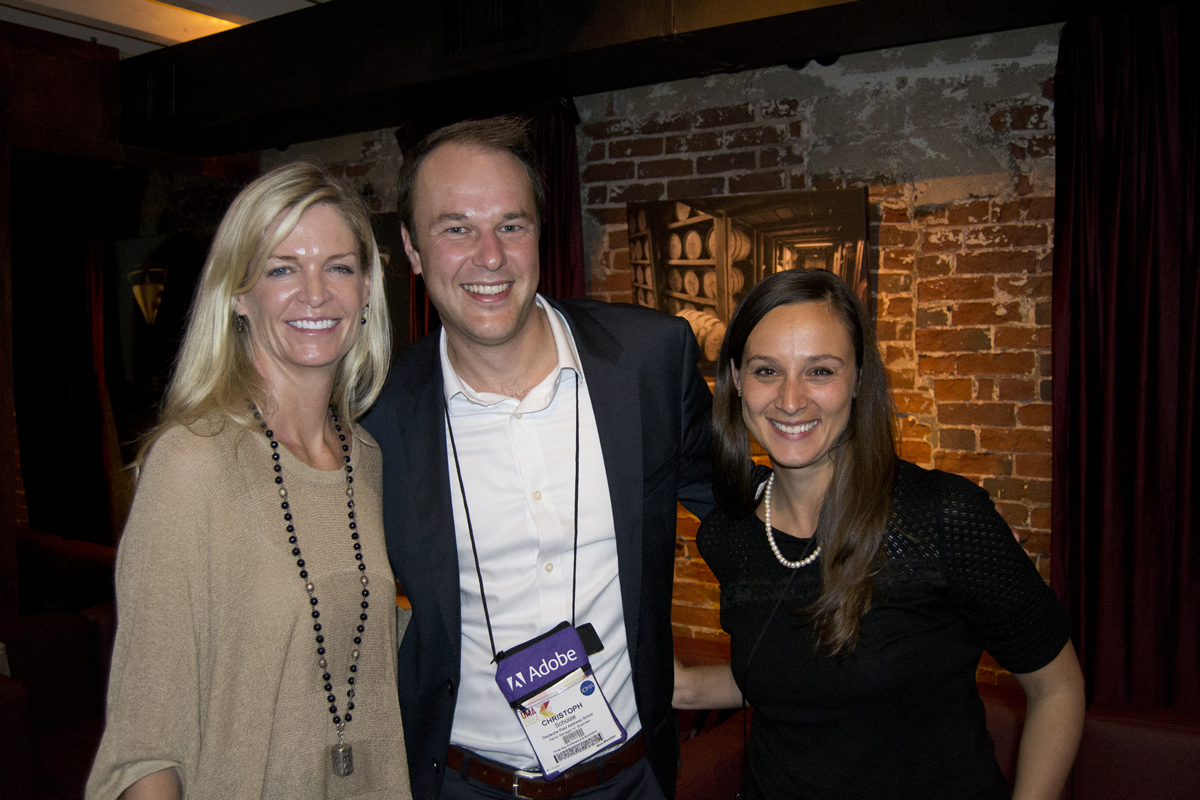
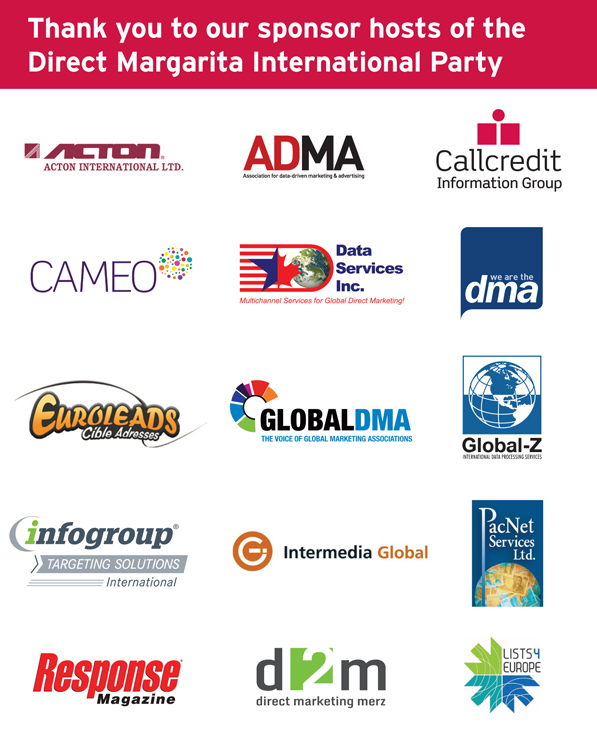
Direct Margarita International (San Diego Branch!) 2014

Another great Margarita party in San Diego alongside DMA Annual 2014

Layout 1