
It seems luxury brands are now stitching together online and offline services to engage customers and give the best Fashion Week experience.
As the the fashion world opened its doors for the annual New York style parade on Thursday (September 8), a livestream of the catwalk was engaging consumers via multiple platforms. Fashion Week has made an online presence on social media with SnapChat having exclusive stories following the different catwalk displays. While Instagram provides polished and refined images, SnapChat offers a raw glimpse behind-the-scenes of shows, allowing users to get exclusive access to top brands.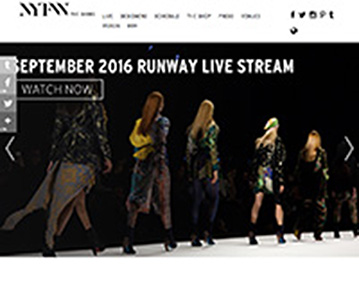
Leading the way in digital engagement
Burberry is leading the way in this, with investment of more than 60 per cent of their marketing budget on digital. According to Contactlab’s ‘Digital and Physical Integration: Luxury Retail’s Holy Grail’ study, Burberry is also bringing together online and offline operations, with click & collect already representing 15 per cent of Burberry’s online sales. While Burberry paves the way for luxury brands, others are still struggling to grasp the significant impact engaging with customers online and offline will have on their brands.

Senior advisor of Contactlab, Marco Pozzi (pictured), said: “Brands should not consider each channel as separate, but simultaneously valuable to the overall omni-channel experience. Customers want ease and comfort and so, if they find a product on one channel, they should be able to seamlessly navigate through the purchasing process with convenience.
“This is why it is important that brands do not disconnect the different channels, but connect the dots as part of their customer engagement strategy.”
Customer preferences
Contactlab found in the Digital Frontier 2016 study that customers with a digital presence who are digitally contactable are high spenders in-store and account for 27 per cent of in-store revenue and 73 per cent of e-commerce revenue. With the rise of e-commerce and digital engagement tools, luxury brands have access to customer data that will allow them to create a dynamic and personalised approach which integrates people preferences within the customer interactions. Through data-driven marketing, brands are able to create a richer understanding of the customers.
Pozzi continued: “We now live in a world where everything is captured digitally through various platforms and the fashion world is no exception.
“Fashion shows unfold live from SnapChat, Facebook, Twitter and Instagram feeds. This narrows the gap between the consumer and brands, opening up a relationship which is more personalised.
“Shoppers now crave interaction with brands who understand their needs, preference and expectations, feeding in insights from customer data can help brands enhance their relationship with customers and make informed decisions for their marketing strategies.”



 The study suggests there are at least 100,000 copies of each individual’s personal data being held on physical devices and cloud storage platforms.
 The firm said the new recruits will be join its UK Risk Assurance team within the next four years and cover all industry sectors across the country. As well as cybersecurity and privacy threats, the beefed up team will cover data management, business systems and IT risks.