Email, phone, text, messaging apps, social platforms, traditional mail – there are so many communication channels that brands are over-messaging and customers are switching off. Are brands losing sight of the fundamentals of customer value?

Email, phone, text, messaging apps, social platforms, traditional mail – there are so many communication channels that brands are over-messaging and customers are switching off. Are brands losing sight of the fundamentals of customer value?

The growth of the internet has brought about many advantages for consumers, particularly when it comes to shopping. However, the internet also presents significant opportunities for counterfeiters and it is becoming easier to reach consumers in the online space with fake products.

The world of science fiction is now a reality for marketers looking to make a big noise and advertisers wondering where to apportion their budget. Plus, bots are hot for generating insight and video games are leading the field for consumer engagement.

There are a number of steps which can be taken by brands to mediate the risk of online fraud.

In Spain, brand messages shared by employees, rather than the company itself, are 24 times more likely to be re-shared. To put this into perspective, the global average is eight times more engagement. The Spanish demand personalised interaction.
Today, marketers have more than 120 different ways to communicate with their customers and prospects through a vast array of digital and analogue channels, which all purport to add value to the customer relationship. So, we should use them all – right? Er . . . wrong!
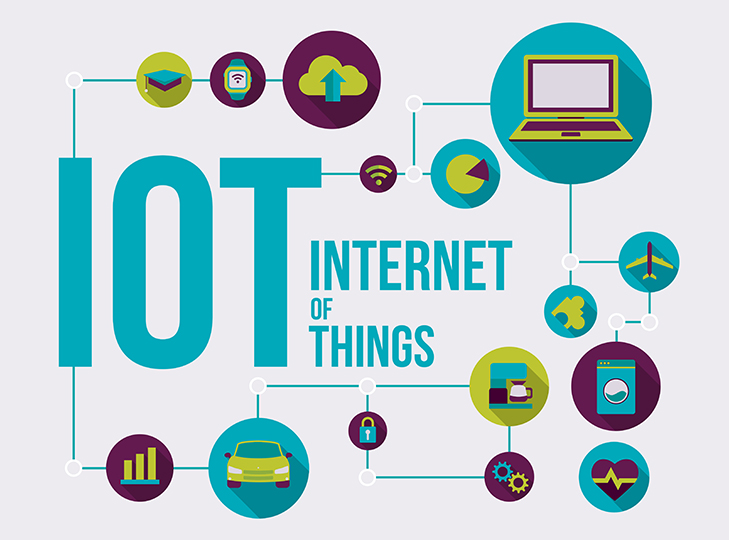
The Internet of Things has moved well past the status of a buzzword and developed into an idea that is changing the way consumers experience their daily lives – although some might not even realise it. So it’s no surprise that many huge brands are embracing IoT into their central business offering.

As changing consumer behaviour, channel proliferation and technological advancement all converge, corporate infrastructure must be re-engineered if brands are to thrive in the digital age, argues Matt Holt.
As a result, 63 per cent of CMOs are prioritising investment around delivering deeper, more relevant customer experiences this year.
These are the results of a new Institute for Business Value study by the IBM: Redefining Markets. Harriet Green, general manager, IBM Commerce, said: “Large scale industry disruption caused by IoT, cloud and mobile technologies is forcing CMOs to reinvent how they interact with customers.
“We are working directly with the world’s leading CMOs to help them seize the opportunities in cognitive commerce so they can rethink every aspect of their strategy, design and operations to enhance their customer experiences.”

The report surveyed 723 CMOs across the globe – including North America, Central and South America, Western Europe, Central and Eastern Europe, Middle East, Africa, Asia Pacific and Japan (click here to obtain the full report) – in 18 different industries. Surveyed CMOs identified the following four top priorities in 2016:
Enrich the Arc of Engagement: CMOs consider creating better customer experiences their top priority. Three-quarters of leading CMOs are using more event and experiential marketing than market followers.
Embrace ‘Creative Destruction’: 67 per cent of CMOs are assessing their strategic direction in the light of technology disruption. CMOs from leading organisations are more likely to embrace the ‘creative destruction’ and build more open and collaborative business models to effectively drive innovation.
Inject Data-Driven Insights into Every Marketing Decision: Although CMOs have made great strides in data analytics, 60 per cent of CMOs prepare to bring in more data driven insights into marketing campaigns in the next three to five years.
Increase their Digital Acumen: 79 per cent of CMOs plan to hire employees with digital skills to improve their marketing function’s digital literacy. Most are looking for resources outside their own businesses — three-quarters plan to either partner with other enterprises to tap into their digital expertise or work with consulting firms.
As chief customer officer, ING Bank, Lisa Claes commented: “Industry competition is heating up and businesses must sharpen their focus on the customer or risk losing them to the competition.
“By embracing the latest analytic and cognitive commerce technologies, marketers can tap into this explosion of data to deliver a personalised customer experience precisely at the right time and place.”
As part of this study, IBM identified two distinct subgroups of CMOs: Torchbearers (those who come from enterprises with strong financial track records and equally strong reputations, as reported by their CMOs), and Market Followers (those who come from businesses that are less successful financially and have lower market profiles). Differences between these two groups were distinct:

James Brooke explains how simultaneously improving the reach, quality and agility of digital content performance is vital to retail sales performance – something few retailers have got to grips with.