New technology may be be sexing-up ways to shop, but sometimes customers prefer to stick to less trendy methods of purchase. Sharon Mawson says effective channel management is the key.
Twenty-five years ago, if we wanted to get in touch with a company we had pretty limited means. We could potentially speak to someone in-store, or if we knew their phone number, or they were listed with Directory Enquiries, we could give them a call, otherwise we had to put pen to paper and send them a letter. Of course the same was true the other way round. Marketing was confined to a handful of channels: TV, radio and print advertising; direct mail and door drops; telemarketing and door to door sales or sales promotion.
How things change!
Today, marketers have more than 120 different ways to communicate with their customers and prospects through a vast array of digital and analogue channels, which all purport to add value to the customer relationship. It’s no wonder that, when it comes to providing an omni-channel, joined-up experience, the majority of firms are floundering.
Inspirational examples of sexing-up the shopping experience
Omni-channel, traditionally, is the ability to enable customers to complete their purchase using the channels of their choice. There are, of course, some inspirational examples of effective channel management that truly do enhance the purchase decision journey.
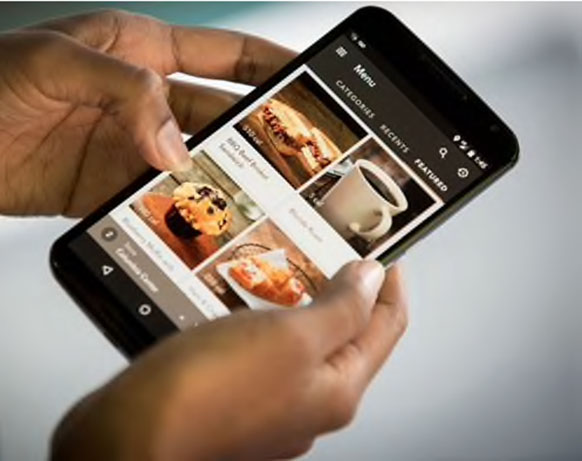
For example, in some cities it is now possible to remotely order a coffee from Starbucks so it is waiting for you, steaming hot, at your most convenient outlet, ready paid for through the coffee chain’s cloud-based loyalty card.
In New York, customers of fashion retailer Rebecca Minkoff can alert shop assistants that they need a different size or item by using their mobile app from the dressing room. Additionally, RFID tags in the clothes automatically upload them to the app so that shoppers can purchase them immediately in-store or buy them online at their convenience.
[youtube id=”6G3JIyG_GeY”]In the UK, Waitrose is trialling new technology – Hiku – that allows customers to scan barcodes of their products at home. The shopping button adds items scanned or ordered via voice recognition to a customer’s online shopping basket so they can place an online order wherever they are. In a statement at the start of the trial – initially by Waitrose employees – the retailer commented: “Items can be added as they are taken out of the fridge, or customers can speak ingredients from recipes as they plan their dinner. If customers prefer to add items on the go when out of the home, an app on their phone also allows them to update their order.”
[youtube id=”zFu36ZmJO4o”]Even more mind-boggling is Amazon’s patent for ‘anticipatory shipping’. The marketplace giant reckons it knows us so well it will be able to ship our next package before we even order it! Amazon claims the new technique will cut delivery time and encourage increased levels of online shopping – it believes the time between clicking ‘buy’ and the item’s delivery is a barrier for many shoppers.
[youtube id=”VMfNDFD4nWQ”]It is no coincidence that all the above examples hail from the retail environment, where customer relationships are the strongest of any sector. But for less emotional, more transactionally-based sectors such as finance, healthcare and insurance, providing an omni-channel experience is far more mundane, but just as important; if not more so. In the retail space, omni-channel marketing has morphed into providing a multi-channel extravaganza to enhance the overall shopping experience in order to boost sales – key to this is effective channel management and understanding exactly which channels your customers most value.
To add or not to add all channels to the marketing mix
For example, there is no point in investing heavily in an s-commerce platform if the majority of customers do not interact with social media. Likewise, failing to add a channel into the mix that your customers would use means potential lost sales opportunity.
Our recent research into channel management in the car insurance sector revealed that 81 per cent of customers use the internet to research the policy options available to them prior to making a purchase and 51 per cent then go on to purchase offline, accounting for a significant proportion of drivers.
Researching and buying online is the most popular purchase decision journey with 36 per cent of drivers taking this route, but researching online and buying offline is growing in popularity, experiencing an increase of 16 per cent since 2014. This means that over the past two years, 7.3 million additional car insurance customers have opted to research online and buy offline. Researching and buying offline is the least used purchase decision journey with only one in seven (14 per cent) of customers opting for this channel mix.
Dialling in to omni-channel marketing
Over 55s and 45-54-year-olds are the most likely to carry out research online and then go on to buy over the telephone with 80 per cent and 86 per cent respectively using web searches and price comparison sites to find the best deals and then 48 per cent and 55 per cent making a purchase offline. Unsurprisingly, 18-24s are the least represented. However, this is not because of a predilection for online purchasing, as might be assumed (they are in fact the second highest phone purchasers), but because many of this group of drivers look for word of mouth recommendations from friends and family in the research phase, rather than turning to the internet. One in seven (14 per cent) of them also turn to social media as a research option. However, this significantly reduces to an average of one in 20 for older drivers.
What is interesting about this research is that while insurers rightly believe that the internet is the most popular channel for their customers and consequently spend millions on affiliate marketing, SEO and email, only a third of insurers provide customers with a telephone number on their home page. Yet, as the study shows, the trend for researching online but purchasing offline is growing . . . therefore car insurers need to devote more resource to offline channels – such as the telephone – or risk alienating the millions of customers that prefer this route to purchase.