A campaign that offers 97 Swedish people once-in-a-lifetime opportunities that will turn them into brand ambassadors for Estonia, has been designed to celebrate the wide variety of activities that the country has to offer.

A campaign that offers 97 Swedish people once-in-a-lifetime opportunities that will turn them into brand ambassadors for Estonia, has been designed to celebrate the wide variety of activities that the country has to offer.
But new research reveals emotional connections are harder to achieve with increasingly cynical consumers in today’s complex, multi-channel media landscape. The Smash Martians (pictured), BT’s ‘you got an ology?’ and Yellow Pages’ ‘J.R. Hartley’ have been voted the UK’s most memorable ‘pre-internet’ ads, in a poll of 2,000 UK consumers that also highlights the challenges…
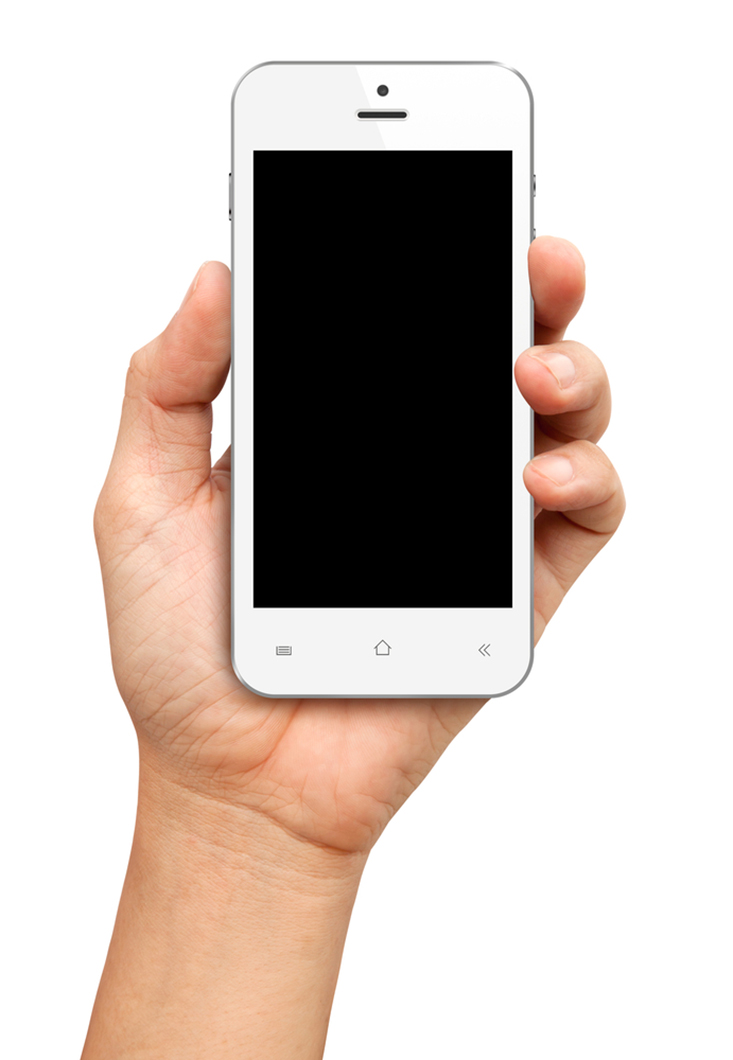
Research from Visa Europe reveals that UK mobile payments are projected to hit some £1.2bn a week by 2020, with six in ten expecting to use their mobile devices in the UK for payments at least once a week in the next five years.
The average shopper reckons they will spend £27 via mobile each week by 2020, £10 more than today, and nearly a quarter predict they will spend around £50 a week using their mobile by 2020.
While apps and music are still the items purchased most frequently via mobile devices now, Visa has seen an increasing number of consumers already buying higher-ticket items, with electronics (23%) and clothes (22%) among their top-five most bought m-commerce items.
The British embrace of digital payments is a sign of shoppers’ growing comfort with new methods to pay as they become more widely available, easier to use and better understood. With the increasing publicity around m-commerce options, digital wallets and contactless payments, 43% of shoppers say they would be interested in using a mobile wallet service and nearly half (47%) are interested in using their smartphone to make everyday contactless payments in a shop.
Jeremy Nicholds (pictured), executive director for mobile, Visa Europe, said: “While we’re excited to see consumers saying they expect to triple their weekly spend using mobile payments over the next five years, we at Visa think those  numbers could be rather conservative and that the actual adoption rate will be much higher.
“This is particularly true when you look at the growth in contactless usage, which saw European usage grow by 2x and spend grow by 3x over the last 12 months.
“Contactless and online commerce enhancements have been key in paving the way for the next generation of mobile payment technology. The environmental conditions are already in place to meet the demands and expectations for digital payments.
“It’s no longer a question of ‘if’ consumers will embrace this new way to pay – it’s when – and for us the next 12 months are when mobile payments become mainstream.”
People who are already using their mobile devices to make transactions are also open to other mobile money services. The research highlights that these ‘mobile money’ users are five times more likely to be interested in paying friends through a smartphone app compared to non-users (48% vs. 9%). One in five would be open to social media payments too, compared with only one in twenty non-users.
When looking at the main concerns about mobile payments, a third of respondents admitted that they simply didn’t know enough about it. As with other new technologies, this has resulted in apprehension about issues like privacy, fraud and security.
Nicholds continued: “We’re witnessing a huge surge in interest from consumers in the UK for faster and more convenient payment methods as mobile and online commerce technologies continue to evolve at pace. This is why Visa Europe spends more than €200 million in on innovation including a number of secure payment technologies such as tokenisation to address security and convenience.
“When it comes to money, concerns over control and security are understandable though a simple lack of knowledge is often an underlying cause and consumers are quick to see the benefits of convenience. We’ve seen this with contactless card adoption – once people learn about the technology, see others using it and get used to paying with it, usage soars.”
The London School of Marketing (LSM) has published insights on the ways in which social media has contributed to the rise of brag culture in marketing. The article by LSM – which offers accredited marketing and business qualifications in the UK capital – asks the question: in today’s frenzied world of digital marketing, how else can marketers…

Supermarkets Aldi and Tesco are in a David and Goliath fight for share of voice on social media in the UK, based on their relative market share, according to a ‘Talkability Tracker’ from big data product company DigitalContact.co.uk, which monitored millions of social media mentions during June.
Aldi is becoming the talk of the town on social and taking on Tesco for the top spot in this first supermarket online Talkability Tracker.
DigitalContact.co.uk has developed a snapshot view of the most talked about supermarkets online via analysis which ran for a five-day period between June 24 and 28 and found that Tesco – by far the biggest food retailer in the UK based on market share – topped the conversation list of supermarkets’ online presence. However, of the tweets, 15% of those received were negative, which was 73% higher than average – akin to the incident caused by their placing of Bacon flavoured Pringles in the Ramadan offer, a forbidden food for Muslims.
However, Aldi is getting value for money from its social presence, securing 17% of market share based on social conversations – despite only commanding 5.5% of market share by UK revenue. Aldi has been encouraging positive conversations about their brand by using #AldiChallenge, promoted using the hashtag to report any savings they have made by shopping there. The tracker shows that, if you take into account Aldi’s smaller market share, it is punching far above its weight, outperforming its giant rival by a factor of 2.3x. If you only look at positive mentions, the challenger is doing even better, beating Tesco hands down by a factor of 2.8x.
As for other supermarket competitors, ASDA is also outshining a number of high street and traditional British retailers, featuring fourth on Digital Contact’s sentiment report, ahead of Waitrose and Marks & Spencer.
It is important to acknowledge that this data is a five day ‘snapshot’ of the most talked about supermarket brands on social media, only taking into account what their customers are saying about them, rather than the conversation they are building themselves. Despite only showcasing a short period, the research reinforces the changeable and powerful impact that conversations had by customers online can have on a brand.
 Digital Contact CEO, Gareth Mann (pictured left), said: “Social media is the voice of the consumer and companies need to be listening to what it says if they want to stay one step ahead. Understanding what has been said about your brand should be paramount to any organisation. This calibre and depth of analysis can help businesses establish a better relationship with customers, understand consumer needs, see the differing trends from around the world and help predict future trends in their industry.
“As we can see, social media is making the fight for brand recognition a level playing field and, by understanding and capitalising on social media, many brands can take on the Goliaths in their markets.”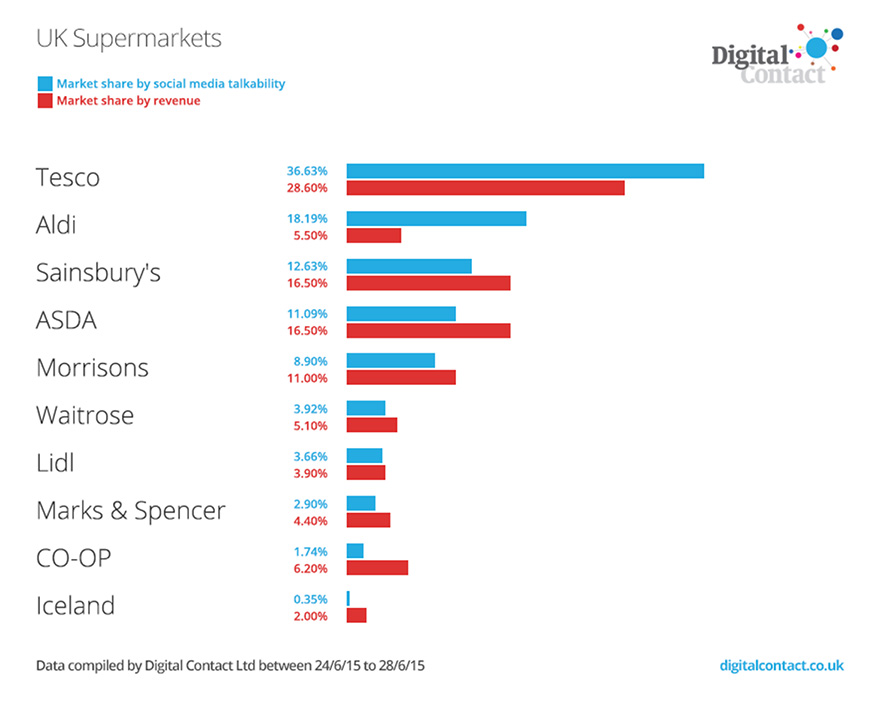
Demand for sales and marketing professionals outstrips supply with 1.6 jobs per candidate In the UK, the number of advertised roles for sales and marketing professionals in the City jumped by 64% in May, compared to last year’s figure. The results of the Robert Walters City Jobs Index, which tracks the number of jobs available and…

We buy most of our groceries at the supermarket. Very few buy them online and those who do rarely use a smartphone. That changes in Portugal this week, where El Cortes Ingles launched a mobile grocery-shopping platform powered by Grability, a New York City-based tech company.

New research was designed to revolutionise the way fundraisers select and use their media-mix to ensure their messages are welcomed by donors and prospects. David Cole discusses latest research into fundraisers’ best routes to market.

iAddress is a unique SMS/text function, developed by instaGiv – the charity mobile text specialist. iAddress changes the donor acquisition landscape by enabling charities to engage with and recruit supporters by text, complete with their postal address details to instantly grow their supporter bases.
The data collected via iAddress is fully owned by the charity and can be downloaded into prepared opted-in mailing lists at any time.
Fast and simple data capture means charities can reach out to new and different profile groups for supporter acquisition and immediately add new donors with postal addresses to their supporter database or CRM system. New donors recruited via text donations can be added to integrated fundraising programmes, for regular giving, donor communications and stewardship. iAddress has been successfully piloted for Macmillan Cancer Support and The Eve Appeal with impressive levels of response up to 70%.
With an easy to use data collection request added to a post-donation thank you response text, iAddress invites donors to text their name and postcode directly to the charity as part of the fundraising campaign or call to action. Latest automated address verification technology checks the postcode and confirms the address with the donor via a bounce-back text for 100% accuracy.
Iain Williams, director of instaGiv said: “As text communication becomes an increasingly agile and flexible route to supporter engagement and fundraising, iAddress enhances the channel’s potential for donor acquisition and ongoing relationships. By adding this function to text campaigns we’re enabling charities to do so much more than fundraising appeals for one-off donations. Creative and engaging campaigns raise funds and can now quickly and very simply grow your supporter base for ongoing communications via phone, text and post for fully integrated fundraising and donor stewardship programmes.”
Macmillan Cancer Support used iAddress to support a DRTV campaign launched at Christmas 2014. Text donations were followed up by a call centre but for donors who could not be reached by a phone call, Macmillan implemented an iAddress text that stimulated more than half of those donors to return accurate name and address information.
 Macmillan’s Andrea Jones (pictured left), Individual Marketing Function manager – Acquisition Dialogue, managed the campaign. She said: “As part of the Macmillan Christmas Star Appeal we used iAddress to contact supporters who we previously hadn’t been able to speak with over the phone. It meant we were able to capture correct postal addresses and make sure that they received their Christmas Star on time. We experienced a response of over 50% and were able to add these individuals to our supporter database.”
The Eve Appeal ran a smaller and more targeted campaign and experienced a 70% response rate.
The two leading industry bodies in the UK, the DMA and the IDM (Institute of Direct and Digital Marketing) have come together under a newly formed group to promote the highest standards and professionalism in one-to-one marketing.
Headed up by group CEO, Chris Combemale (pictured), the merged organisation will become the largest marketing trade body and provider of specialist qualifications in Europe, serving a £14.2 billion industry with a workforce of more than 530,000.
The combined business is on a mission to create a stronger profession by helping every company and every individual member to be better at what they do. It will focus on protecting and growing the one to one marketing industry, inspiring the best talent through advocating best practice, innovation and excellence as well as providing the highest quality training and qualifications available to organisations and individuals.
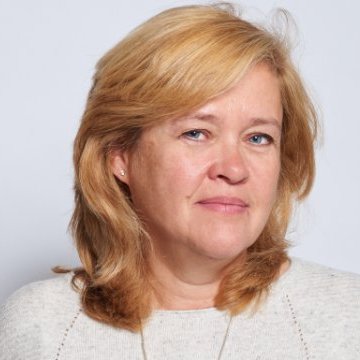 Julia Porter (left), chairman of the UK DMA, said: “The recently launched DMA Code and Guides establish a modern framework for responsible marketing in our profession. IDM training provides the skill sets and knowledge needed for practitioners to succeed. They are two halves of a shared mission that will be better achieved together.”
Melanie Howard and Caroline Worboys, who co-chair the IDM, said: “The newly created group is committed to continuing the purpose for which the IDM was established, namely supporting, attracting and developing talented people into the one to one marketing industry. We believe that the value of the IDM brand, the importance of reputable qualifications to the industry and our role in attracting high quality talent to the industry will be expanded in a shared future.”
The DMA and the IDM will continue to operate as separate brands. The DMA’s corporate memberships and the IDM’s individual membership will remain in force. IDM remains a brand that helps individuals become better at what they do through training and qualifications and continuous professional development while the DMA brand helps companies to have a better business. Over the coming months the group will explore synergies to enhance the value and experience for all members.
In addition to Chris Combemale’s appointment as group CEO, Ken Goulding has been appointed group finance director. Jane Cave has been appointed as managing director of the IDM and Rachel Aldighieri will be the interim managing director of the DMA.
The merger will also see the industry’s two main charities, the IDM Trust and the Direct Marketing Foundation, come together. The newly formed trust, a single charitable institution, will provide grants and bursaries to help attract, inspire and educate the most talented young people to enter the profession as well as support issues around fairness to consumers. The trust will continue to distribute ear-marked legacy funds from the co-founder of the IDM, the late Derek Holder, as bursaries to support those who want to enter the profession and gain qualifications and experience.