Social sentiment analysis today
Sometimes called opinion mining, sentiment analysis is the holy grail – the most effective way to find out what consumers think about a brand, product or event, in real time. It aims systematically to identify opinions in a document and give it a score on a scale of negative to positive. Marketers use instant sentiment data to make campaign adjustments in close to real-time, instantly feeding negative reviews to product teams and solving major customer issues more efficiently.There are two main approaches in use today: sentiment analysis based on keyword scoring, and a calculation based on predefined categories.
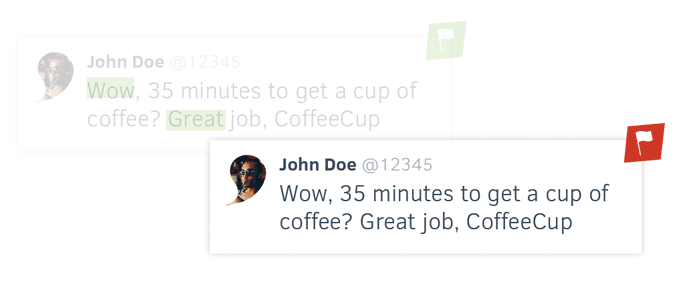
Keyword scoring means you give the word ‘good’ a positive score, the word ‘bad’ a negative score. This approach has inherent flaws which some analysts try to fix by applying rules on top of the keyword scoring, but the underlying problem remains: keyword scoring only captures fragments of a message and struggles to accurately judge true meaning. Keyword scoring can deliver some relevant results, if focused on broad trends or applied at scale. But, at a more detailed level, a sarcastic tweet or a 13-year-old calling a new video game ‘sick’ brings the system to its knees. Because keyword-based sentiment technology can’t understand context – only individual words or small phrases – proven accuracy levels generally range between 50 to 80%. This has led to many brands sidelining sentiment data in reports.
The second approach is based on the idea that you let the user categorise a few dozen results as a training set, and then let an algorithm use this to make decisions for future results. Accuracy for predefined categories is usually higher than for keyword scoring, but it’s far from perfect. This manual categorisation requires a huge time investment and an understanding of all topics that could potentially be linked to your brand. Because this method works with such narrow parameters for qualifying results, it typically yields fewer results overall.
In a third approach, some analysts prefer to bypass technology altogether and require people to code sentiment. The upside here is that accuracy is no longer a problem. People will disagree here and there (language is not an exact science), but overall results are excellent. The downside? On average, a person can only classify about 100 documents per hour. Brands can get thousands, even tens of thousands, of mentions a day.
Beyond issues of coding consistency, by the time coders find the critical mention that matters, it might be too late to act. Even worse, if brands want to determine consumer sentiment around certain products or services for market research or collect opinions around a trending topic, the substantial costs involved in securing timely results make this a non-starter for many brands.
Technology and sentiment analysis: change is in the air
For many years, the industry has tried to develop a social sentiment technology that would provide the accuracy and level of automation needed to make sentiment analysis effective. Its time has finally come.
In a world where customer centricity is increasingly recognised as a vital competitive weapon, sentiment analysis has never been more important to get right. Talkwalker’s AI technology based on ‘deep learning’ – an advanced method of training machines to learn – now lets brands capture customer sentiment with 90% accuracy. For the first time, we can truly understand the meaning of full sentences. We can accurately determine customer attitudes and contextual reactions in tweets, posts and articles. Brands can use and cross sentiment indicators with a variety of data to drive a better understanding of what their customers are thinking. Teams can cut down on reaction time. Critical posts can be detected and flagged immediately, in real time.
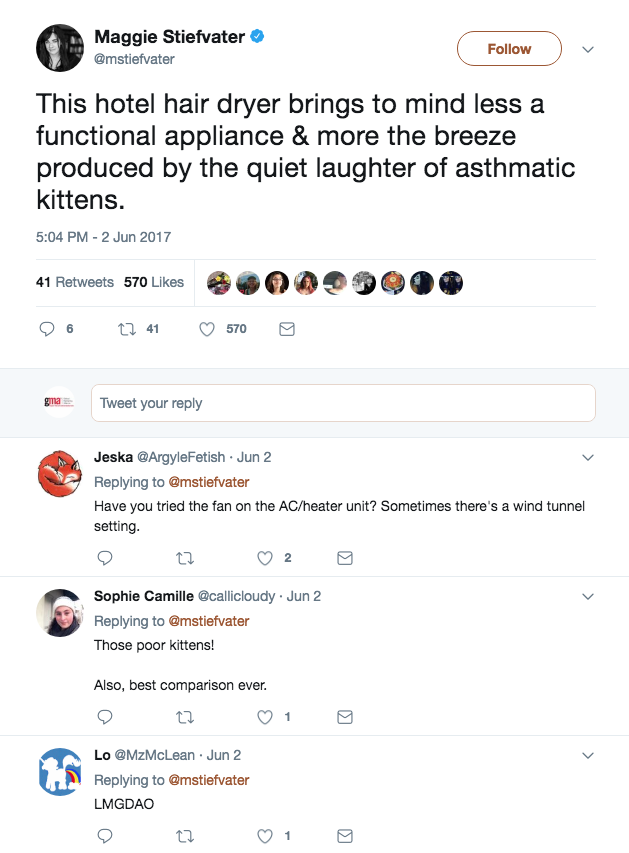
Looking beyond the post level, sentiment analysis unlocks improvements in the customer experience. In a classic example, a client of ours in the budget hotel sector noticed a stream of negative posts on social media. They ceased when hair dryers were installed across all room categories.
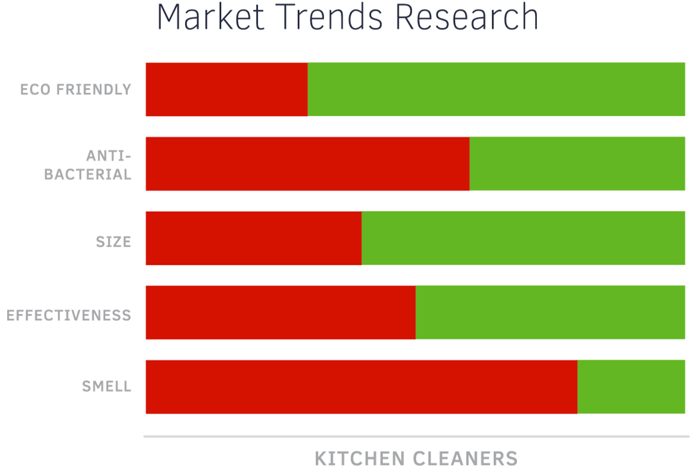
Another client, a household brand, evaluated attitudes towards kitchen cleaners on the market, and was able to see that smell was one of the most commonly disliked issues. Based on this research, they asked their R&D team to come up with a product they could market with ‘great smell’ as a differentiator.
 In B2B too, clients operating in multiple markets or with franchise locations to manage, use sentiment technology to track opinions about suppliers, local issues and branches. This can be especially helpful in assessing service quality internally.
How does AI-powered sentiment analysis work?
Late last year, Talkwalker were the first social analysts to release proprietary image recognition technology for logos, scenes and objects, covering a vast majority of the visual web, with more than 100 million images processed every day across Twitter, Instagram, Facebook, online news and other sources. We quickly realised that we wanted to apply that knowledge to sentiment technology. Using deep learning models that simulate the cognitive functions of the human brain, the technology now understands complex language patterns and entire sentences, and even deals with basic forms of sarcasm and irony.
While developing the algorithms that we use, we researched their success in determining accuracy. We found that the size of the training correlates with the percentage of correctly identified results. That meant the team had to classify tens of millions of results to ensure the 90% accuracy rate the algorithm now delivers.
Where’s the technology headed?
Being able to accurately classify sentiment is just the start. Benchmarking brand health indicators, supplementing sentiment data with demographic information or combining it with individual product features in our platform is where the real magic happens.
Sentiment technology is fast becoming a more exact science than ever before. With the power of millions of results, accurately classified, brands are now able to take a huge step in a new direction. In a single click, brands can get the sentiment indicators they need to identify, analyse and act on insights to serve their customers well, in real time.
Have an opinion on this article? Please join in the discussion: the GMA is a community of data driven marketers and YOUR opinion counts.
Read also:
Digging into big data: how deep learning can unlock marketing insights