Our mobiles are our constant companion and when it comes to mobile marketing, marketers must take advantage in allowing consumers to use them to connect via all their messages. James Galpin explains.

Americas
Our mobiles are our constant companion and when it comes to mobile marketing, marketers must take advantage in allowing consumers to use them to connect via all their messages. James Galpin explains.
Online sales set to account for close to a quarter of all Christmas spend in the UK, with the average household forecast to splash out a total of £775 on the festive season. Mobile shopping is expected to grow by 301% year-over-year.
UK shoppers are set to spend a record £74.3billion in the run-up to Christmas, with almost one in four pounds expected to be spent online, according to research commissioned by digital offer marketplace RetailMeNot – operator of VoucherCodes.co.uk. The study, conducted by the Centre for Retail Research, forecasts that online sales at Christmas will grow by 19.5% to £17.4 billion this year, compared to £14.5 billion in 2013.
On the high street, shoppers are expected to spend £56.9billion this year, but as Christmas Day draws closer, the proportion of online retail sales is likely to increase as consumers turn to the web to escape the crowds. As such, e-commerce is predicted to account for 23.4% of Christmas sales this year, up from 20% in 2013, while bricks-and-mortar sales are expected to decline by 2.1%.
Mobile shoppers to drive increase in Christmas spend
With Brits increasingly using tablets and smartphones to shop, mobile purchases are expected to account for over a quarter (29.8%) of all online Christmas sales, up 301% compared to last year, and representing a total of £5.2 bn, almost twice as much as the Germans (£2.9bn) and nearly three times higher than in France (£1.8 bn)
Although the PC is still the killer outbound channel for Christmas shopping, with a predicted £12.2 billion to be spent by Brits, tablets and smartphones are increasingly important. This year, tablets are expected to account for £2.1 billion of all Christmas sales, while smartphones are expected to account for £3 billion, representing 18% of all online sales. Brits are set to have the highest share of online and mobile shopping in Europe this Christmas (23.4% and 29.8% respectively) and are even ahead of the US, where 18.7% of the Christmas shopping will be done online, of which 28.4% is projected to be mobile.
Giulio Montemagno, senior vice-president of international at RetailMeNot, said: “Retail spending in the weeks before Christmas is the most important period of trading for retailers both online and offline. Retailers, particularly of specialist merchandise, will often take 20% or more of their sales in this period.
“This Christmas looks set to be a bumper year for online retailers as a record number of consumers will be turning to the web to order gifts. With shoppers spending 23 pennies out of every pound online, retailers must ensure that they are appealing to consumers through mobile and tablet devices. The study reveals that almost 30% of all online Christmas sales will occur on mobile this year and in such a competitive retail environment it’s more important than ever that retailers have a solid mobile strategy in place to target shoppers as they shop online or in-store.”
Brits set to be biggest Christmas spenders in Europe
The international study also found that British shoppers are likely to be the highest spenders during the Christmas season in Europe, with a total projected spend of £74.3billion, followed by the Germans (£61.2billion) and the French (£54.9billion). UK Households are expected to spend on average £459 on gifts, £172 above the European average and £22 ahead of the US.

Research demonstrates need for better understanding of key techniques, such as data integration
Marketers are aware of the power of cross channel marketing in reaching customers, but many are not yet taking full advantage of the technique.
So says research from Experian Marketing Services and Forrester Consulting, who conducted a global study of 428 digital marketing businesses in the UK, Europe, North America, Asia Pacific and Latin America, The poll identified varying levels of technology adoption and cross channel marketing success across markets, with technology issues still a major hurdle in implementation.
Commenting on the results, Simon Martin (pictured), managing director of Digital at Experian Marketing Services, said: “This report makes it clear that marketers understand the importance of cross channel marketing in taking customer relationships up a level, but still need guidance to make it work. Customers today are much like teenagers at university – they only want to hear from you at a time that is convenient to them, and when they need something. Data linkage across channels allows marketers to better assess when this time might be, which allows them to deliver the right message to the right customer, at the right time.”
Additional findings from the research include:
“Marketers must realise that the consumer cycle has changed with the advent of new shopping channels as well as expectations of excellent personalisation and service in interactions with brands”, continued Martin. “The sales funnel does not exist as it did before – marketers need to consider relationships in terms of customer need, not marketing action. The reward is increased loyalty, spend, and a better relationship with the customer full stop.”
The Diamond ECHO Award Goes to Republik New Zealand for Innovative ‘Wide War One’ Campaign
The Direct Marketing Association (DMA) announced the 2014 International ECHO Award winners last night during a gala ceremony hosted by renowned comedian Chris Hardwick.
Established in 1929 and encompassing every type of media used in direct and interactive marketing campaigns, the ECHO Awards honour exceptional creativity, marketing strategy and response results. This year, DMA presented a total of 88 ECHO Awards to data-driven marketing campaigns from all over the globe.
Reflecting the increasingly global nature of data-driven marketing, DMA’s 2014 International ECHO Awards honours were presented to campaigns originating in a wide variety of countries, including Canada, India, Spain, Japan, US, Denmark, Sweden, New Zealand, Philippines, the UK, Malaysia, Norway, the Netherlands, Australia, Brazil, Belgium and Germany.
This year’s awards were entered, categorised, judged, and presented in 15 primary business categories. Eleven went to nonprofit campaigns.
Of the hundreds of campaigns submitted for this year’s ECHO honours, 14 campaigns were honoured with Gold, 30 with Silver and 40 with Bronze. In addition, four campaigns received special awards, which include the Diamond ECHO Award.
The Special 2014 International ECHO Awards Winners:
The Diamond ECHO
The prestigious Diamond ECHO is considered the best-in-show prize of the International ECHO Award competition. It is awarded to the top campaign that has demonstrated strategic thinking on a whole new level — encompassing strategy, creative and results — the three pillars of ECHO. The winner is selected by the ECHO board of governors from the Gold winning campaigns.
Category: Information Technologies
Client: Fuji Xerox
Agency: Republik New Zealand
Campaign: Wide War One
Henry Hoke Award
Sponsored by Hoke Communications, Inc.
Selected by Hoke Communications, this award honours the campaign with the most courageous solution to a difficult sales marketing problem.
Business Category: Education
Client: Federation University Australia
Agency: CUBED Communications
Campaign: Federation University Australia
Personal Connections ECHO Award
Sponsored by Pitney Bowes
This award recognises excellence in the use of data, customer insights, and direct marketing to create more personal and lasting customer relationships.
Business Category: Business and Consumer Services
Client: Aeroplan
Agency: Cossette
Campaign: Milestone
USPS Gold Mailbox Award
Sponsored by the United States Postal Service
The Gold Mailbox Award is chosen based on the most innovative use of mail as a critical component of an omni-channel strategy.
Business Category: Professional Services
Client: Google Japan
Agency: MRM//McCann Tokyo
Campaign: AdWords Puzzle Campaign: Find the Key to Business Success with Google
For a complete list of 2014 DMA International ECHO Awards winners, click here .
David Cole (pictured) examines the latest fast.MAP/GMA research and discovers a booming market.
If you’re thinking of selling direct to shoppers in the USA and Brazil, a good bet would be to start with clothing – since clothes are the most commonly direct-purchased foreign items in both countries – by 44% in Brazil and 32% in the USA.
According to new online research carried out in August by fast.MAP for the GMA, accessories are the next favoured foreign direct purchase in Brazil (35%), followed by technology items ((33%). In the USA, it’s books 26% and food (25%), whereas in the UK it’s CDs/DVDs/games (26%) and books and technology (both 23%).
Foreign white goods such as dishwashers are least likely to be bought direct by Americans (9%); musical instruments and DIY/gardening tools by Brazilians (both 7%); and motor vehicles and white goods by the British (both 3%). See chart: http://bit.ly/1ttG2Lf
12% of US, 14% of Brazilian and 38% of British adults have bought direct from abroad in the last year. And the market is set to expand since although one per cent of Brazilians don’t plan to do so again, 19% are considering their first direct purchase from abroad, as are 16% of Americans.
27% of US consumers ‘sometimes’ or ‘often’ buy direct from abroad and a further 17% do so ‘rarely’.
Neither population is as committed to buying foreign goods direct as are those of the seven European countries already examined in this on-going GMA study. See chart: http://bit.ly/1vQMTUb
If you need tips on where to promote your goods, it’s worth noting that Brazilians’ five most popular methods of sourcing foreign goods are company websites, social networks, online publications, email and search engines. All were used by more than a third of buyers in the last 12 months.
Around three in ten Americans have sourced via search engines and emails, a quarter from company websites and two in ten from TV or radio ads, auction sites or social networks. Chart: http://bit.ly/1oRzxCr
When translation problems occur they can lead to lost sales: 62% of Brazilians and 68% of Americans have not encountered language difficulties when buying direct from abroad, but only because they either speak the language or use websites which are in their native tongue.
Ten per cent of Americans and 18% of Brazilians successfully used translation software, but 7% of Americans and 10% of Brazilians suffered problems with it.
Two in 100 received language help from the seller and 6% of Americans and 4% of Brazilians were helped by a friend. Chart http://bit.ly/1AgWK4o
Of the 22% of Americans who had language problems, 7% managed to successfully buy the goods they wanted while only 4% of the 20% of linguistically-challenged Brazilians managed to.
Americans were far less likely to be put-off by potential currency, refund or customs problems: 38% had no such concerns, compared with 34% of Brits and 17% of Brazilians. But a clear multi-lingual explanation of company policy on these issues would help to allay fears.
Brazilians (55%) and Brits (46%) are most worried about additional postage costs or customs charges, while Americans are most concerned about the inconvenience of returning faulty or unsuitable goods (38%). Financial transactions with a different country are the least pressing (though still a significant) concern: USA and UK 31%; Brazil 37% http://bit.ly/1tnk1zp
Nineteen per cent of Americans, 13% of Brazilians and 8% of Brits have returned goods they bought direct from abroad. In the USA the majority did so by pre-paid post/courier, while in Brazil (41%) and the UK (54%) the majority bore the cost of return postage/ courier.
Both delivery to a local agent/ retailer/ courier depot or collection by a local agent/ retailer/ courier were significantly more common in the USA (39% and 34% respectively) than in the UK (4% & 17%) or Brazil (19% & 21%).
Companies serious about expanding their direct sales into other countries can maximise their chances of success and avoid costly mistakes, by first simultaneously and speedily using online research to test reactions to their product, prices, promotional material and incentives in each country.
For more international marketing insights click here.
Methodology
The questionnaire was run from August 22 to 29, 2014, to a US panel of 2.9million adults and a 149,000 Brazilian panel.
David Cole is MD of fast.MAP. Email: david.cole@fastmap.com
How to prepare for Christmas as consumers grow tired of poor online retail experience
For retailersm Christmas is just around the corner. IBM has released its annual guide for how UK online businesses should prepare for the shopping season. Based on IBM Digital Analytics Benchmark, the report provides a detailed analysis of the Christmas 2013 season and includes figures for online retail leading up to March 2014. The report is available here.
James Lovell, Smarter Commerce retail consultant, Europe, IBM, said: “While online retail is undeniably growing, the average amount people are spending remains flat and the number of items they are buying per transaction is actually decreasing.
“What’s more, attention metrics show consumers have no patience for underwhelming retail experiences. If websites are not optimised for mobile, for example, shoppers will quickly give up trying to browse. Retailers need to understand consumer shopping ‘journeys’ – that is, gain a clear understanding of which technologies they are using, how and when they are using them and how these merge with the store.”
So what should retailers prepare for this year and how can they prepare? What are the key shopping trends and the channels retailers should be paying attention to as they gear up for Christmas and New Year 2014? Is it worth paying attention to social? The report reveals:
How to prepare for Christmas as consumers grow tired of poor online retail experience
For retailersm Christmas is just around the corner. IBM has released its annual guide for how UK online businesses should prepare for the shopping season. Based on IBM Digital Analytics Benchmark, the report 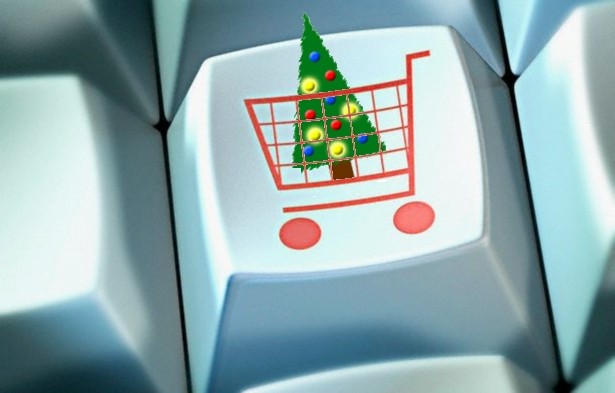 provides a detailed analysis of the Christmas 2013 season and includes figures for online retail leading up to March 2014. The report is available here.
James Lovell, Smarter Commerce retail consultant, Europe, IBM, said: “While online retail is undeniably growing, the average amount people are spending remains flat and the number of items they are buying per transaction is actually decreasing.
“What’s more, attention metrics show consumers have no patience for underwhelming retail experiences. If websites are not optimised for mobile, for example, shoppers will quickly give up trying to browse. Retailers need to understand consumer shopping ‘journeys’ – that is, gain a clear understanding of which technologies they are using, how and when they are using them and how these merge with the store.”
So what should retailers prepare for this year and how can they prepare? What are the key shopping trends and the channels retailers should be paying attention to as they gear up for Christmas and New Year 2014? Is it worth paying attention to social? The report reveals:
New data from Afilias reveals that consumers increasingly welcome dotBrand domain names
New research has highlighted that consumers in the US and UK are increasingly open to the world of new, generic top-level domains (gTLDs), as the  number that would trust addresses at the new extensions has increased since last year. Conversely, the number stating they would only trust heritage domains like .com and .co.uk is decreasing.
The new findings, commissioned by global registry services provider Afilias, are based on a large sample of 3,469 internet using consumers in the UK and US. The study revealed a significant decrease in the number of people stating that they would only put faith in heritage domain names, dropping from 54% in 2013 to 39% in 2014! The findings also showed that 25% of consumers would trust new domain name extensions just as much as the heritage domains – this is an increase of 4 percentage points in the past 12 months.
Roland LaPlante, senior vice-president and CMO, Afilias, said: “Major global brands are now preparing to launch their own “dotBRAND” domains in order to capitalize on the branding, security and customer experience advantages they will now have over competitors. Brands without these advantages must prepare quickly for ICANN to open the next window, as consumers are showing an increasing willingness to accept and even trust these new addresses.”
The release of the figures coincides with the upcoming arrival of new gTLDs from major global brands such as Google, Microsoft and Nike, who are all set to create their own ‘dotBrand’ domain names at the top level (eg. running.NIKE instead of nike.com/running).
Further, people are now more willing to purchase from a branded gTLD than they were a year ago. In 2013, 13% stated that they would prefer to buy from ‘shop.adidas’ over ‘adidas.com/shop;’ this year, that preference has increased to 18%.
In 2014, nearly one third of people (32%) said that they would be more likely to trust that legitimate goods and services are being sold on a site that uses a dotBrand extension (with only 10% being less likely to trust a dotBrand site).
Importantly, the data show that 13% of people would feel that brands are ‘behind the times’ if they were not using branded domain name extensions.
LaPlante added: “The arrival of new domain names is an historic chapter in Internet history. Even before they have all fully launched, consumers are warming to the notion of new domains. The research reinforces our belief that within 5 years most global brands will be operating from dotBrand Internet addresses.”
A new report from NetNames – a major online brand protection and domain name management specialist – reveals how the web is set to transform over the next five years. This follows the launch of thousands of new generic Top Level Domains (gTLDs) such as .london, .shop and .sport. The inaugural Internet 2020 report comprises a survey of 6,000 consumers and 400 business leaders across four countries (UK, Germany, France and the US) and expert input from ICANN and other industry leaders.
In its research, NetNames found that 80% of internet users think the new domain names will make them more likely to enter a company’s web address into their internet browser rather than use a search engine. The simplicity and specificity of the new web address endings will make internet navigation less reliant on search, as users will be able to use direct navigation much more frequently. Businesses agree with consumers on this point, with almost half (42%) of corporate respondents identifying the biggest benefit of the new domain names as better search and recognition on the internet.
Further to this, the survey revealed that over half (59%) of daily internet users think the new web address endings will make it easier for them to find things on the internet. This view was even stronger amongst businesses, with 89% stating they believed that new web address endings will help consumers find their website. The type of endings thought most likely to support this change were those related to relevant communities (e.g. .bank, .sport and .art), which were highlighted by 44% of consumers.
Search engines will need to evolve their algorithms to reflect the relevance of the new gTLDs and the web traffic they will generate, and offer direct search within the URL bar. Some are already taking proactive steps in this area, with Google having set up a dedicated gTLD business unit to run the infrastructure of 100 new gTLDs.
Gary McIlraith, CEO at NetNames, explained why the new domain names are likely to impact search traffic: “The internet is vast and we need search engines in order to find the content we are looking for. In some ways, that is even truer with so much new internet real estate being created by the new gTLDs. However, in cases where they have a specific website destination in mind, the descriptive nature of new gTLDs will help internet users to memorise naming structures and facilitate browser-based navigation to the specific areas of the websites they are interested in, bypassing home pages. Consumers will therefore become less reliant on using a search engine to find a website.”
“The new domain names effectively represent the resetting of the internet. Brands need to consider which of the new domain names will provide the most business value and be most relevant to their customer base in order to strengthen their internet presence and remain relevant in the changing nature of the internet. By doing this, brands will be able to secure continued success in the internet of tomorrow.”
Carlsberg has set the standard for this year’s FIFA World Cup adverts with the most memorable advert from South Africa 2010, according to research by marketing, digital and communications recruiter, EMR.
More than one in four (26%) marketing professionals polled by EMR picked out Carlsberg’s ‘Probably the best team talk in the world’ campaign as making the biggest lasting impression, ahead of Nike’s TV campaign (18%) and Bavaria Beer’s ambush stunt (17%).
Both Carlsberg and Nike opted for high profile tie-ins with sporting icons in 2010. Carlsberg’s advert featured English greats Jack Charlton, Trevor Brooking and Stuart Pearce, while Nike’s ‘Write the Future’ campaign employed modern-day stars including Wayne Rooney and Cristiano Ronaldo.
In contrast, Bavaria – a non-FIFA affiliated Dutch brand of beer – ambushed the Holland vs. Denmark game with a cohort of 36 women who were pictured in the stands wearing short orange dresses carrying its logo: a stunt that fuelled the debate about the rules on ambush marketing to this day, as unofficial sponsors are prohibited from advertising in FIFA venues.
EMR’s research shows marketers are divided on the subject in the build-up to the 2014 tournament: 32% feel ambush marketing should be subject to stricter regulations while 33% feel the opposite, with the remainder unsure.
Just 4% voted official sponsor Budweiser’s ‘Bud House & Bud United’ campaign as the most memorable from 2010, with Bavaria’s stunt also having made more long-term impact than efforts by Pepsi, Coca-Cola (both 13%) and Adidas (10%).
Sportswear giants benefit most from World Cup sponsorship
More than one in four (28%) marketing professionals identified Nike as the brand which benefits the most from its association with the World Cup.
Rival sports manufacturer Adidas was placed second with 19% of the vote, having signed up for the next four tournaments until 2030.
With almost half (47%) of marketers picking out one of the two sportswear giants as enjoying the greatest brand benefits, the results suggest that brands with sponsorships which closely match their business focus have the best chance of standing out.
Coca-Cola and Visa were tied for third place on 14% with both having also extended their sponsorship commitments until the 2022 World Cup in Qatar.
Tournament expected to enhance Brazil’s reputation
Almost half (49%) of marketing professionals predict that the 2014 World Cup will have a positive impact on Brazil’s international reputation. Despite political and social unrest in the build-up to the event, this is twice as many as the 24% who feel Brazil’s reputation will suffer from hosting the tournament.
More than half (51%) believe Brazil’s tourist industry will grow as a result of the World Cup, while nearly a quarter (22%) forecast a rise in international business with Brazil.
One in ten (11%) expect the World Cup will result in more overseas investment in the country, while 7% predict a surge in migration and job relocation.
Simon Bassett, managing director of EMR – which has offices in Leeds, London, Moscow, São Paulo and Singapore – said: “The World Cup will see many of the world’s most recognised brands competing for the attention of a truly global audience. The mix of high drama, national pride and multi-million pound reputations makes the tournament a genuine theatre for marketing excellence.
“Competition is not limited to the pitch, with a galaxy of sponsors joining the host nation in the limelight. Our findings suggest the ultimate prize awaits those brands who can best marry strategic creative concept with memorable execution.
“The 2010 controversy over ambush marketing showed how original thinking and opportunism can also help to make an impact. But, given how challenging it is to stand out in this hugely competitive environment, it is no surprise to see opinion so evenly split about the rights and wrongs of sidestepping the rules governing big-budget sponsorship deals.”