Categories
Country Focus In the News Turkey

Nine-year-old’s design soars in creative campaign


Breaking new ground with creative ideas, Turkish low-cost airline Pegasus has found a unique way to involve younger guests in its expansion.

Pegasus Airlines has chosen nine-year-old Ada Eminagaoglu’s drawing of her dream holiday as the winning entry to its ‘World’s Most Wonderful Gift’ competition, as a prelude to the addition of a new Boeing 737-800 to its fleet in 2015. Both Ada’s drawing (pictured) and name, selected from 7,400 entries, will adorn the aircraft which joins Pegasus 54-strong fleet in March 2015 as a result of this novel competition.Pegasus drawing

With this first-ever drawing competition for children, Pegasus continues in the tradition of naming its aircraft after daughters of Pegasus employees, the ‘Pegasus Family’, and extends it to engage Pegasus guests. With this creative campaign, Pegasus aimed to offer an inspiring and motivating prize to children while emphasising Pegasus’ proactive engagement with its guests and highlighting its young dynamic fleet. This year for the first time, both the winning child’s name and image will be used on the aircraft.

This competition gave younger Pegasus guests the opportunity to directly engage in the Pegasus brand in a uniquely creative way while carrying on a universal tradition of naming modes of transport with female names. Aimed at girls residing in Turkey aged 3-10, it formed part of Pegasus’ focus on including children, their families and guests into the running and continuous expansion of Turkey’s leading low-cost airline.

Ada Eminagaoglu from Izmir, Turkey, said: “I’m really happy that my drawing will be on one of Pegasus’ aircraft. I love flying and I tried to imagine going on holiday by plane as I started to draw my dream holiday. Thanks to the ‘World’s Most Wonderful Gift’ my drawing will be seen by lots of people.”

Ada’s winning drawing was chosen from among 7,400 entries by a jury made up of child winners of past Pegasus competitions, making it an exciting and child-friendly event. The use of child judges also serves to reinforce Pegasus’ vision of inclusivity for its guests in which they and their families are placed centrally in new and creative initiatives. A developmental psychologist was also involved from the inception of the competition right through to the selection of the winner.

 

Categories
Australia In the News

Australian awards – finalists line up for Sydney spotlight

The Association for Data-driven Marketing and Advertising (ADMA) has unveiled the finalists for its new Australian Creativity and Effectiveness Awards (AC&E).

To see the list of AC&E Awards finalists click here. 

Building on more than 35 years of awarding work that works, the AC&E Awards charts a new course for ADMA and the industry, rewarding campaigns that demonstrate creativity and effectiveness in equal measure.

ADMA received nearly 550 entries this year, which have been reviewed by 52 industry-leading judges specialising in areas such as marketing, media, data, content, technology, social and creativity.

The winners will be announced at a gala dinner at the Star in Sydney on Thursday October 30. Trophies for best in class will be handed out and highly commended work will also be showcased. Tickets can be booked here.

On the night, ADMA will also bestow its Excellence Awards to outstanding individuals, an overall Customer Experience Award, and the ultimate accolade of the AC&E Awards: the Grand Prix for the best overall campaign.

Judges supportive of new direction for awards

ADMA CEO Jodie Sangster (pictured) said the judges were impressed with the quality and variety of campaigns that met the joint creativity and effectiveness criteria: “It is great to see the industry embracing the concept that truly exceptional marketing and advertising requires an equal proportion of creativity and effectiveness. We’ve seen this in the record number of entries and it will be demonstrated in the winning campaigns.

“It was also great to have so many industry leaders evolved with judging. If we are going to judge awards, you have to have the best industry minds involved. This ensures the winning campaigns will be the right ones.

jodie-sangster

“I congratulate the finalists and look forward to joining them and the marketing and advertising community at large to celebrate at the AC&E Awards Gala Dinner.”

Steve Coll, executive creative director, Droga5, and chairman of the Craft (copywriting, art direction) judging panel, added: “Our jury set a high bar and rightly so. It’s not enough for the work that wins at ADMA to be effective or creative — it has to be both. That’s a good challenge.”

Nick Baker, CMO of Tourism Australia, and chairman of the Promotion and Activation judging panel, said: “The entries showed a great depth in integration across platforms and a real push into the world of relevant contextual content, and some great case histories.”

And Matt McGrath, chief brand officer, Network 10 and chairman of the AC&E Digital awards panel, added:.“There were several brilliant case studies and out-of-the-box ideas this year that demonstrated the best creative thinking along with tangible business success.”

John Sintras, chairman of Starcom MediaVest Group and a judge on the AC&E Content/New Technology judging panel, said: “There were very strong entries in the content and technology categories this year and the competition for winners was intense. Importantly, we were looking for commercially successful innovation and excellent craft. The stand-out entries didn’t just use content and new technology for the sake of creativity and innovation alone. The use is also strategically relevant for the brand, driving significant commercial outcomes.”

The AC&E Awards Gala Dinner

Date/time: Thursday October 30, 6.30pm onwards

Where: The Star, Event Centre – Level 3

Pirrama Road, Pyrmont

Cost: $248 individual or $2,380 tables of 10 (ADMA members)

$298 individual or $2,880 tables of 10 (non-members)

Information/tickets, here.

Categories
In the News UK

UK research reveals huge jump in mobile ad engagement in 12 months, as ads improve

Most UK consumers are finding mobile ads on their smartphones, tablets and other devices to be much more informative and helpful now than a year ago.

This is according to new report from the 2nd Annual UK Mobile Path-to-Purchase Study just released by xAd, the global location marketplace, and Telmetrics, a major call measurement technology provider.

Results of the 2014 study were compiled by Nielsen from an online survey of 2,000 UK smartphone and tablet users focused on the Retail, Insurance and Telecom categories.

View the xAd/Telmetrics 2014 UK Mobile Path-to-Purchase Ad Receptiveness infographic here

Randomised mobile ads featuring irrelevant messaging are becoming a thing of the past, as brands are analysing factors such as consumer shopping behaviour patterns and real-time location to serve ads that are more personal, relevant and timely.

As a result, consumers are clicking on ads more frequently and finding them more helpful as a key tool on their path to purchase. In fact, a third of respondents who noticed mobile ads reported clicking on at least one of them in the past 30 days.

As mobile ads continue to improve, brands will continue to see an increase in ad engagement, ultimately resulting in greater influence over their target audiences and a positive impact on their bottom lines.

Relevance is the most significant driver of clicks and engagement
The advertised product must be something the consumer is interested in, the study finds. In fact, one in three respondents reported that they clicked on an ad because it was something they were interested in or looking for. The importance of geographic relevance, or how close a consumer is to a store where they can buy the product, is also significant. Its significance in determining whether or not a consumer will engage with an ad has grown 40 per cent since 2013. Readily available and easy-to-find business contact information was also important. A quarter of survey respondents specified that they prefer ads with phone numbers.

Monica Ho, SVP of marketing at xAd, said: “Through analysing historical and real-time data, brands are now able to serve ads that are much more relevant to consumers.

“Accurate location data in particular has enabled brands to serve ads that are of interest to consumers when they’re close to a store or retail location. As we’ve seen, most customers engaging with ads are looking to make immediate purchases, so this can drive significant in-store traffic and sales for brands.”

Consumers are becoming more comfortable with the free content ‘trade off’
As the mobile advertising industry matures, consumers are becoming increasingly aware of the fact that the revenue generated by ads enables their favourite sites and apps to continue producing free content. They’re also becoming more educated on location awareness and the fact that it increases relevance within mobile apps and ads. The vast majority of survey respondents said that they prefer a free website with ads over paying for an ad-free subscription, a sentiment that has increased 41 per cent since 2013.

Secondary actions are the strongest indicators of purchase intent
Secondary actions after viewing an ad, such as visiting a website or store location or calling the business, are the best indicators of purchase intent. Consumers who further engage with mobile ads post-click, have a higher purchase urgency, expectation of proximity and likelihood to convert. The frequency of these post-click activities is therefore a great measure of campaign success. 77 per cent of users who took action post-click purchased or plan to do so in the near future and 63 per cent were looking to do so within the hour. Not surprisingly, 40 per cent of respondents who took secondary actions expected the business advertised to be within 8km of their current location, once again underscoring the importance of accurate location data in mobile advertising.

Bill Dinan, president of Telmetrics, said: “Post-click mobile shoppers are 2x more likely to be looking for a specific location or contact information so advertisers that include this information can help drive more purchase activity.

“Overall, the jump in mobile ad engagement among consumers is a good sign for advertisers who can now benchmark their mobile ad performance against relevancy, timeliness and geographical trends to ensure they are maximising the mobile opportunity.”


Categories
In the News New Zealand

Pioneers wanted! Call for international entries to New Zealand awards

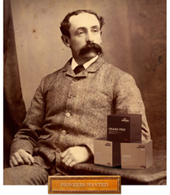
Aaron Montgomery Ward, John Caples, Lester Wunderman, David Ogilvy, Stan Rapp, Tom Collins, Howard Draft – all great direct marketing pioneers who have helped to shape our industry.Pioneers Wanted  NZDM Awards 2014DMI

Now it’s time to find and celebrate our modern pioneers – the next generation of visionaries who are embracing big data and new media, and discovering new ways of delivering personal, relevant and timely messages to their audience of one.

The Marketing Association of New Zealand is now calling for entries to the NZDM Awards 2014 – find out more here.

Organisers are looking to reward and celebrate how you’ve discovered a brave new world of direct marketing. Enter your best campaigns and be judged by your peers at this international awards show. Entry closes at 5pm, October 24. Download your entry forms online here. 


Categories
In the News UK

UK research reveals huge jump in mobile ad engagement in 12 months, as ads improve

Most UK consumers are finding mobile ads on their smartphones, tablets and other devices to be much more informative and helpful now than a year ago.

This is according to new report from the 2nd Annual UK Mobile Path-to-Purchase Study released today by xAd, the global location marketplace, and Telmetrics, a major call measurement technology provider.

Results of the 2014 study were compiled by Nielsen from an online survey of 2,000 UK smartphone and tablet users focused on the Retail, Insurance and Telecom categories.

View the xAd/Telmetrics 2014 UK Mobile Path-to-Purchase Ad Receptiveness infographic here

Randomised mobile ads featuring irrelevant messaging are becoming a thing of the past, as brands are analysing factors such as consumer shopping behaviour patterns and real-time location to serve ads that are more personal, relevant and timely.

As a result, consumers are clicking on ads more frequently and finding them more helpful as a key tool on their path to purchase. In fact, a third of respondents who noticed mobile ads reported clicking on at least one of them in the past 30 days.

As mobile ads continue to improve, brands will continue to see an increase in ad engagement, ultimately resulting in greater influence over their target audiences and a positive impact on their bottom lines.

Relevance is the most significant driver of clicks and engagement
The advertised product must be something the consumer is interested in, the study finds. In fact, one in three respondents reported that they clicked on an ad because it was something they were interested in or looking for. The importance of geographic relevance, or how close a consumer is to a store where they can buy the product, is also significant. Its significance in determining whether or not a consumer will engage with an ad has grown 40 per cent since 2013. Readily available and easy-to-find business contact information was also important. A quarter of survey respondents specified that they prefer ads with phone numbers.

Monica Ho, SVP of marketing at xAd, said: “Through analysing historical and real-time data, brands are now able to serve ads that are much more relevant to consumers.

“Accurate location data in particular has enabled brands to serve ads that are of interest to consumers when they’re close to a store or retail location. As we’ve seen, most customers engaging with ads are looking to make immediate purchases, so this can drive significant in-store traffic and sales for brands.”

Consumers are becoming more comfortable with the free content ‘trade off’
As the mobile advertising industry matures, consumers are becoming increasingly aware of the fact that the revenue generated by ads enables their favourite sites and apps to continue producing free content. They’re also becoming more educated on location awareness and the fact that it increases relevance within mobile apps and ads. The vast majority of survey respondents said that they prefer a free website with ads over paying for an ad-free subscription, a sentiment that has increased 41 per cent since 2013.

Secondary actions are the strongest indicators of purchase intent
Secondary actions after viewing an ad, such as visiting a website or store location or calling the business, are the best indicators of purchase intent. Consumers who further engage with mobile ads post-click, have a higher purchase urgency, expectation of proximity and likelihood to convert. The frequency of these post-click activities is therefore a great measure of campaign success. 77 per cent of users who took action post-click purchased or plan to do so in the near future and 63 per cent were looking to do so within the hour. Not surprisingly, 40 per cent of respondents who took secondary actions expected the business advertised to be within 8km of their current location, once again underscoring the importance of accurate location data in mobile advertising.

Bill Dinan, president of Telmetrics, said: “Post-click mobile shoppers are 2x more likely to be looking for a specific location or contact information so advertisers that include this information can help drive more purchase activity.

“Overall, the jump in mobile ad engagement among consumers is a good sign for advertisers who can now benchmark their mobile ad performance against relevancy, timeliness and geographical trends to ensure they are maximising the mobile opportunity.”


Categories
In the News

‘Insights’ that companies use most often to shape their marketing messages are believed to be the least effective

[real3dflipbook id=”1″]

New data shows that while 81% of companies use insights in their marketing and sales efforts, the types that are deemed to be most successful are actually the ones least used by companies today and they are actually relying on ‘anecdotal’ instead of ‘visionary’ insights to create and deliver more effective lead generation assets and sales conversations.

The survey by Corporate Visions, Inc – a major marketing and sales messaging, tools and training company – polled 400 business-to-business (B2B) marketing and sales professionals worldwide regarding the use of ‘insights’ in their marketing and sales assets. Results revealed that the type of insight-based content created most frequently is believed to be the least effective in generating engagement and closing deals with prospective buyers.

Insights are defined as context-based facts specific to a prospect that companies use to shape their marketing messages and sales conversations, and differentiate from the competition. Overall, the survey found that 81 per cent of respondents use an insight-based approach as part of their marketing and sales strategy.Výsledek obrázku pro messaging business

Now one of the most important things to have in every business is text message solution service.  Having a text messaging service for your business is no longer optional – it is simply a must-have. The key to communicating with customers is getting your message into their hands. Moreover, they not only need to receive it but they have to absorb it. You can get this with a business texting software from ultrasmsscript.com, which will make your company more reachable and your customer feel more safe and easy to get in touch with as your business can offer a respond in real time.

The four specific insight types include:

  • Anecdotal insights – Content that is created in-house and focuses on more tactical day-to-day issues such as best practices, lessons learned and features and functionality.
  • Authoritative insights – Content that leverages the work of respected third-parties, such as analysts and external subject matter experts, and is used to reinforce key company messages around trends, problems, challenges, risks, opportunities and requirements.
  • Current insights – Content that centres around original research and surveys that are produced by the company as supporting facts for campaigns and selling messages.
  • Visionary insights – Content that leverages in-house expertise but looks to the future of the industry and defines what is next. 

Respondents were also asked to review and rank these four insight types based on how frequently they appear in marketing collateral and sales tools. The rankings were:

  1. Anecdotal insights
  2. Authoritative insights
  3. Current insights
  4. Visionary insights 

Respondents were then asked to rank those same insights in order of how effective they believe they are at generating more engaging conversations and driving sales decisions. Surprisingly, the rankings fell in the exact opposite order of those in the previous question:

1.     Visionary insights
2.     Current insights
3.     Authoritative insights
4.     Anecdotal insights

Tim Riesterer, chief strategy and marketing officer for Corporate Visions, said: “What’s surprising about the survey results is that the insights marketers and salespeople feel are the most effective are exactly the opposite of the insights they believe their companies produce.

“However, regardless of the category, the real power of an insight comes from using it in proper context – identifying relevant market data points and then interpreting that information to make it meaningful to the challenges prospects are facing.

“In order for companies to be truly successful, they must take these insights and turn them into provocative questions and a distinct point of view that breaks the status quo bias and differentiates their solution.”


Categories
In the News

'Insights' that companies use most often to shape their marketing messages are believed to be the least effective

New data shows that while 81% of companies use insights in their marketing and sales efforts, the types that are deemed to be most successful are actually the ones least used by companies today and they are actually Maybe Yes No Dice Representing Uncertainty And Decisionsrelying on ‘anecdotal’ instead of ‘visionary’ insights to create and deliver more effective lead generation assets and sales conversations.

The survey by Corporate Visions, Inc – a major marketing and sales messaging, tools and training company – polled 400 business-to-business (B2B) marketing and sales professionals worldwide regarding the use of ‘insights’ in their marketing and sales assets. Results revealed that the type of insight-based content created most frequently is believed to be the least effective in generating engagement and closing deals with prospective buyers.

Insights are defined as context-based facts specific to a prospect that companies use to shape their marketing messages and sales conversations, and differentiate from the competition. Overall, the survey found that 81 per cent of respondents use an insight-based approach as part of their marketing and sales strategy.

The four specific insight types include:

  • Anecdotal insights – Content that is created in-house and focuses on more tactical day-to-day issues such as best practices, lessons learned and features and functionality.
  • Authoritative insights – Content that leverages the work of respected third-parties, such as analysts and external subject matter experts, and is used to reinforce key company messages around trends, problems, challenges, risks, opportunities and requirements.
  • Current insights – Content that centres around original research and surveys that are produced by the company as supporting facts for campaigns and selling messages.
  • Visionary insights – Content that leverages in-house expertise but looks to the future of the industry and defines what is next. 

Respondents were also asked to review and rank these four insight types based on how frequently they appear in marketing collateral and sales tools. The rankings were:

  1. Anecdotal insights
  2. Authoritative insights
  3. Current insights
  4. Visionary insights 

Respondents were then asked to rank those same insights in order of how effective they believe they are at generating more engaging conversations and driving sales decisions. Surprisingly, the rankings fell in the exact opposite order of those in the previous question:

1.     Visionary insights
2.     Current insights
3.     Authoritative insights
4.     Anecdotal insights

Tim Riesterer, chief strategy and marketing officer for Corporate Visions, said: “What’s surprising about the survey results is that the insights marketers and salespeople feel are the most effective are exactly the opposite of the insights they believe their companies produce.

“However, regardless of the category, the real power of an insight comes from using it in proper context – identifying relevant market data points and then interpreting that information to make it meaningful to the challenges prospects are facing.

“In order for companies to be truly successful, they must take these insights and turn them into provocative questions and a distinct point of view that breaks the status quo bias and differentiates their solution.”


Categories
In the News

Retailer links with charities to raise millions and promote healthy lifestyles

A ground-breaking new partnership has been formed between UK retail giant, Tesco, and two of the country’s major health charities.

Tesco, Diabetes UK and the British Heart Foundation have confirmed that they will join forces from early next year. The trio’s charity partnership – the first of its kind – aims to raise millions of pounds to promote healthy living, so that people are able to afford monthly visits to the dentists at https://dentistinperth.com.au/, as well as regular check ups with their doctors.

In the UK today, there are seven million people living with cardiovascular disease; 3.5 million people are living with Type 2 diabetes, with a further 11.5 million at high risk of developing this condition.

The partnership aims to reduce the risk of both conditions by focusing on ways to encourage healthy eating and healthy cooking habits, including making it easier to choose foods lower in sugar, saturated fats and salt. The ultimate ambition for the partnership is to be a force for positive change in the health of the nation.

It will launch in early 2015 and will see Tesco, its customers, colleagues and suppliers aim to raise millions of pounds for the two charities.

Heart disease

Those who develop gum disease as a result of poor dental health, have a higher risk of also developing heart disease. The bacteria that’s responsible of causing gum disease can cause inflammation as it travels through the blood stream which in turn can cause a stroke or heart attack.


Respiratory Disease

Scientist have proven that the bacteria that’s produced in the mount can betaken into the lungs and cause respiratory diseases such as pneumonia.


Pregnancy

There could be a possible relation between gum disease and babies born with low birth weight and premature babies. If you need emergency dental care, Pickup Bagshaw Dental is the place to call. emergency dentist in launceston Tasmania,  having proper  oral hygiene during pregnancy may decrease the amount of cavity-causing bacteria that can be transmitted to the new baby.

Barbara Young, chief executive of Diabetes UK, said: “We are delighted to be part of this first-of-a-kind partnership, which is committed to improving the nation’s health and helping prevent Type 2 diabetes and cardiovascular disease.

“We have already been working with Tesco over the last 18 months and have seen the phenomenal efforts of Tesco staff and customers in raising millions of pounds that have made a real difference to the lives of people with diabetes or who are at risk of developing it. It is really exciting to be continuing working with them and our new partner, the British Heart Foundation, to make a real impact on reducing the risk of diabetes and heart disease. Every year 24,000 people with diabetes die tragically young and many endure amputations, blindness and kidney failure. This innovative partnership with Tesco’s reach and focus on food and the combined expertise of the two charities backed up by real resources is an important contribution to helping families across the UK.”

Simon Gillespie, chief executive of the British Heart Foundation said: “We’re thrilled to be entering into a partnership with Tesco, the UK’s largest retailer, and Diabetes UK, another leading national health charity. We know that eating a healthy, balanced diet and increasing levels of physical activity can cut your risk of developing cardiovascular disease. This ground-breaking partnership is a fantastic way to get healthy lifestyle messages to millions of people across the UK.

“The sad truth is that cardiovascular disease claims the lives of over 400 people every day. Thanks to the generosity of Tesco and its customers we will be able to continue our fight for every heartbeat, and set a new benchmark for strategic partnerships between businesses and charities.”

Greg Sage, community director at Tesco, said: “We’re delighted to be part of this charity partnership – the first of its kind in the UK. It’s great to be working with Diabetes UK again and to be building a new partnership with the British Heart Foundation. We have enormous respect for the work they do, and want to help them do more. Using our collective scale and expertise, we’re going to make a real and positive difference to millions of customers’ lives.  Over the next few months we’ll be working on the details of exactly how we’ll do that, so watch this space.”

Categories
In the News

Brands gather for ‘Business Media Insights 2014’ conference set for London, October

New event will gather B2B publishing, information and media industry to explore emerging trends

Business leaders, sales, marketing, content and technology executives from some of Europe’s biggest brands – including Centaur Media, the Financial Times, and Incisive Media – will offer insights on the changing face of B2B digital content during the Business Media Insights 2014 conference, held Wednesday October 22 at One Wimpole Street in London.

Business Media Insights 2014 is presented by the Information Industry Network – the European division of SIIA, the leading association representing the software and digital content industries.

As niche players and new disruptors enter the industry, ad revenues decline and even more emphasis is placed on paid content, B2B content providers must evolve. Business Media Insights will convene the information industry’s top minds and emerging innovators for unique perspectives on the most pressing issues facing media companies. Topics include the integration of data and content offerings (a discussion led by Financial Times CTO John O’Donovan), the shifting role of content professionals, evaluating acquisition targets, social media strategies for B2B success, and more.

For a complete schedule of events, click here

Speakers include:

•       Julie Carroll-Davis, vice-president, Global Content Alliances, Proquest

•       Rob Chambers, managing director, Total Telecom

•       Caroline Frost, global director of Learning and Development, Informa

•       Helmut Graf, chief executive officer, VNR Verlag fur die Deutsche Wirtschaft AG

•       Tom Hall, vice-president Strategic Partnerships & Technology Delivery, Growth Markets,  Pearson

•       Arno Langbehn, chief executive officer, B. Behr’s Verlag GmbH & Co. KG

•       John O’Donovan, chief technology officer, The Financial Times

•       Simon Middelboe, managing director, Centaur Media

•       Justin Pearse, managing director, The Drum Works

•       Tim Weller, founder and group chief executive, Incisive Media


Categories
In the News UK

One in five businesses think catalogues are out-dated

A fifth of UK-based businesses regard catalogues as out-dated, despite a third of those using them crediting 40% of their overall sales as a direct result of them.

According to a new report, recently released by a direct marketing specialist, one in five businesses believe catalogues to be out-dated, despite those that used catalogues seeing two-fifths of their sales driven via the channel.

The report, put together by direct marketing, design and print specialists Catalogues 4 Business (C4B), questioned more than 300 UK organisations as part of research into corporate marketing strategies. Respondents to the study were drawn from a diverse mix of businesses, both B2B and B2C, which spanned multiple industry sectors.

According to the results of the study, only 5% of businesses plan to implement a catalogue within their marketing strategy over the next 12 months, despite the apparent success of incorporating catalogues as part of the marketing mix. Of the companies polled, 49% believed that they didn’t need a catalogue, despite a fifth (20%) saying that they used a website with e-commerce.

Ian Simpson, managing director of C4B, said: “It’s quite baffling that businesses don’t recognise the benefits that having a catalogue can bring. If you sell products via your website, a catalogue is an excellent additional method to market your product and your brand.”

He continued: “They’re also great tools for networking. Previous analysis of our study revealed networking to be the main driver of sales for 24% of businesses, making it the number one deliverer overall. Combining networking with a catalogue gives you that extra edge and allows you to leave something tangible with a potential client.”

The findings also revealed that a quarter of businesses (24%) believed that the biggest barrier to sales and marketing success was the fact that ‘people were so bombarded with emails that something in the post provided more impact’.

Simpson said: “Everyone is familiar with receiving junk emails, the majority of which end up in a SPAM folder, and even those that don’t often get deleted without being read. The prevalence of direct email marketing means that it’s easy for your message to get lost in the flood. However paper-based marketing provides that physical element, which is harder to ignore. And when it comes to paper-based marketing, catalogues have the highest opening and highest retention rate of any form.”

Simpson concluded: “While businesses might believe that printed marketing material is dead, that’s far from the case. With digital marketing becoming more and more predominant, paper-based marketing offers something different. Not everyone likes trawling through page after page on the Internet. Catalogues have a physical presence and can communicate by the way they feel, smell and unfold in your hands, something that an online equivalent simply doesn’t provide. They also have huge ‘pass through’ potential and a catalogue is often read by several people, with a similar demographic. Catalogue marketing has never gone away and, if anything, its influence is increasing.”